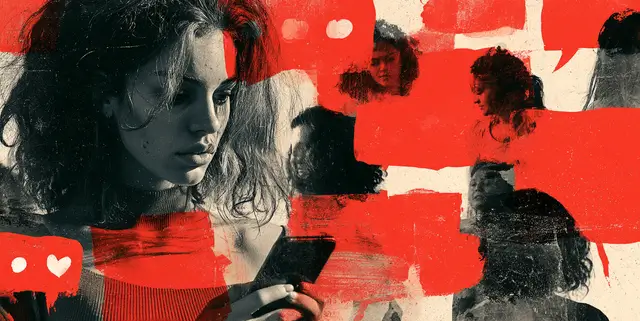


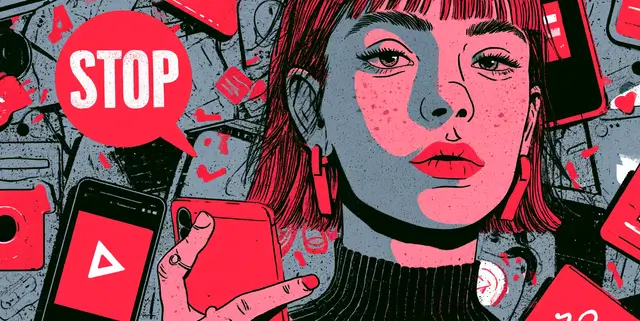
What happens when you step away from social media for 30 days? For many people, the answer is not just “less screen time.” It is a small but powerful reset. In a world where social feeds have become part of daily life, even a short break can reveal how deeply these platforms shape attention, mood, and routine.
At first, the change can feel uncomfortable. Many people reach for their phone without thinking, only to remember there is nothing to check. That moment shows something important: social media is not just a habit, it is often a reflex. The first few days may bring restlessness, boredom, or a strange feeling of being left out. This is normal. The mind has been trained to expect frequent updates, quick messages, and endless new posts.
By the end of the first week, many people notice a quieter mind. There is less pressure to compare oneself to others. Social media often presents a polished version of life: happy photos, exciting trips, perfect meals, and constant success. When that stream is removed, many begin to feel more grounded in their own lives. Ordinary days can start to feel more valuable again.
Another common change is improved focus. Social platforms are built to capture attention in small bursts, and that can make it harder to concentrate on reading, conversations, or simple tasks. Without the habit of checking feeds every few minutes, people often find it easier to finish a book, enjoy a walk, or complete household tasks without interruption. For older adults especially, this can bring a welcome sense of calm and control.
Sleep may improve too. Many people use social media late at night, even when they know they should rest. Removing that habit can make evenings more peaceful. The brain gets fewer stimulating images and alerts before bed, which may help some people fall asleep more easily. Better sleep can then support memory, mood, and energy during the day.
There is also a social effect that surprises some people. When social media is gone, real-life contact often becomes more meaningful. Instead of liking a post, people may call a friend, visit a neighbor, or spend more time with family. These slower forms of connection may seem old-fashioned, but they are part of a much older human pattern. Long before screens, people built community through conversation, shared meals, and face-to-face time. A 30-day break can remind us that these deeper connections still matter.
Of course, not everything is easy. Some people discover that social media has become their main source of news, entertainment, or social connection. Without it, they may feel slightly out of step with current events or group conversations. That is why a break works best when it is intentional. It helps to decide ahead of time what will replace the scrolling habit: reading, gardening, music, prayer, exercise, or time with loved ones.
There may also be emotional discoveries. Some people use social media to avoid uncomfortable feelings like loneliness, stress, or uncertainty. When the distraction disappears, those feelings may surface. This is not a failure. It is often the beginning of something healthier. A quiet month can make space for honest reflection. People may ask themselves what they truly enjoy, what drains them, and what kind of life they want outside the feed.
In the bigger picture, a 30-day break from social media points to a larger shift in how people may relate to technology in the future. For years, digital platforms have rewarded speed, reaction, and constant visibility. But more people are now asking for something different: more privacy, more calm, and more choice. This may be the start of a new era in which technology serves human life more gently, instead of demanding constant attention.
After 30 days, many people return to social media with clearer eyes. They may use it less often, follow fewer accounts, or turn off some notifications. Others decide to stay away longer. Either choice is valuable if it leads to a healthier relationship with the digital world. The goal is not to reject technology, but to use it wisely.
In the end, stopping social media for 30 days can feel like opening a window in a crowded room. The air changes. Thoughts settle. Time expands. And in that quieter space, many people rediscover something that modern life often hides: attention is precious, peace is possible, and life beyond the screen still has plenty to offer.