



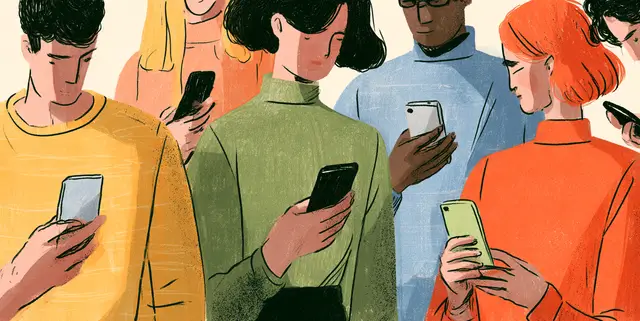
Smartphones are useful, convenient, and often hard to put down. They help us stay in touch, find directions, pay bills, and pass the time. But many people now worry about a harder question: are phones changing the way our brains work in a bad way?
The short answer is not simple. A smartphone does not suddenly make a person less intelligent. But heavy phone use can affect attention, memory, sleep, and the ability to think deeply. Over time, those changes may make everyday thinking feel harder.
Attention gets broken into pieces
One of the biggest concerns is attention. Phones are designed to grab it. Alerts, messages, short videos, and endless scrolling all encourage the brain to keep switching tasks. When we switch back and forth often, it becomes harder to stay focused on one thing for long.
This matters because deep thinking usually needs uninterrupted time. Reading a book, following a conversation, or solving a problem all require steady attention. If the brain is always expecting the next notification, it may become more impatient with slower tasks.
Memory may be affected too
People often use phones as a memory aid. We store phone numbers, appointments, shopping lists, and even directions on the device. That is helpful, but it can also mean we practice remembering less on our own. Some experts worry that when we rely too much on the phone, our natural memory skills may weaken over time.
There is also the issue of attention during learning. If a person checks messages while studying or listening to someone speak, the brain may not fully record the information. In that case, it is not just memory that suffers, but also understanding.
Sleep is often part of the problem
Smartphone use late at night can disturb sleep. Bright screens, exciting content, and the habit of “just one more minute” can keep people awake longer than they planned. Poor sleep is strongly linked to worse concentration, slower thinking, irritability, and memory problems the next day.
For older adults, poor sleep can be especially frustrating because it may already be harder to rest well. For children and teenagers, too much screen time before bed may affect brain development and school performance.
Phone addiction and the reward system
Many apps are built to keep users coming back. Likes, messages, short videos, and constant updates can trigger the brain’s reward system. This does not mean the phone is “evil,” but it does mean designers know how to hold attention. That raises an ethical question: if a product is made to be hard to stop using, how much responsibility should companies have for the results?
Some researchers compare this pattern to other habits that become difficult to control. Not everyone who uses a phone heavily has an addiction, but some people do feel anxious, restless, or distracted when they are away from it. That is worth taking seriously.
What about intelligence?
It is important to be careful with the word intelligence. Phones do not erase a person’s ability to learn, reason, or make good choices. But they can shape habits that support or weaken those abilities. If a device makes us less patient, less focused, and less willing to think for ourselves, then our performance may drop even if our basic intelligence has not changed.
In other words, the issue may be less about IQ and more about how we use our minds every day.
Simple ways to protect your brain
- Turn off non-urgent notifications.
- Keep the phone away during meals, reading, and conversations.
- Avoid screens for at least 30 minutes before bed.
- Use a paper list sometimes instead of storing everything on the phone.
- Take regular breaks from social media and endless scrolling.
These small habits can help the brain rest and refocus. They may also make daily life feel calmer.
The real question is not whether smartphones are good or bad. It is whether we are in control of them, or they are controlling us. That is a question worth asking often, especially as phones become more central to work, family life, and even health care. The challenge is to enjoy the benefits of modern technology without letting it quietly weaken our attention, sleep, and independence.