


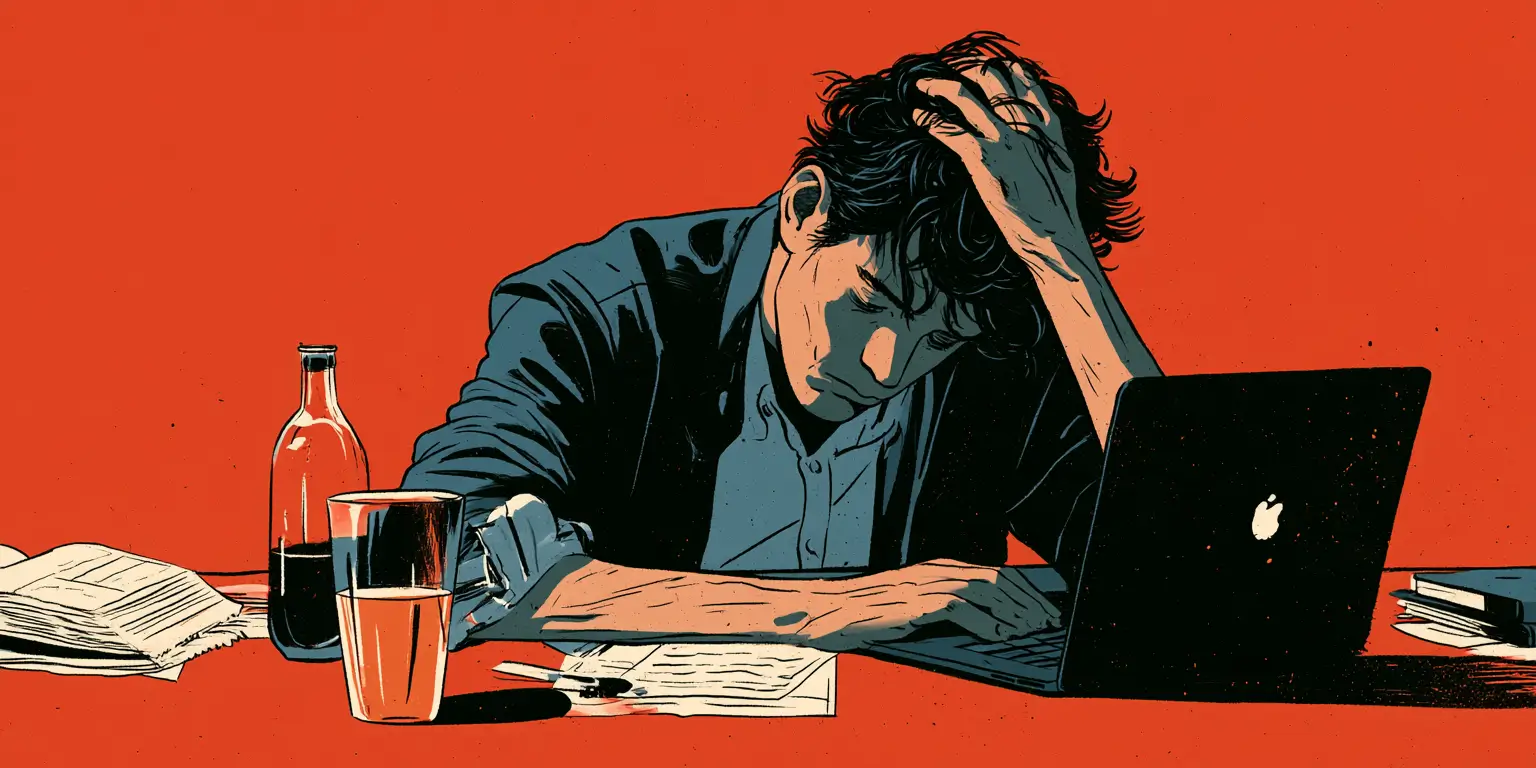
Many people today say they feel tired all the time. Not just sleepy tired, but deeply worn out. Work, family duties, money worries, phones, and constant news can leave people feeling as if they never truly rest. This is often called burnout, and it is becoming more common.
Burnout is not simply being busy. It is a state of long-lasting stress that can make a person feel drained, forgetful, upset, or unable to care about things they once enjoyed. Some people blame modern technology, and there may be truth in that. Phones and apps keep us connected every minute, which can make it hard to switch off. But it is worth asking a harder question: are we exhausted because life has become faster, or because many systems now expect people to do more with less?
In many jobs, workers are asked to answer messages after hours, take on extra tasks, and stay available at all times. That can blur the line between work and home. Older workers may remember a time when the workday ended more clearly. Today, that line can feel gone. For younger people, there is also pressure to build a career, earn enough money, and present a perfect life online. These pressures can affect mental health in serious ways.
What helps?
- Take short breaks during the day, even if only for a few minutes.
- Turn off alerts when you do not need them.
- Protect sleep as much as possible.
- Say no when your plate is already full.
- Talk to someone you trust if stress feels too heavy.
There is also a privacy question. Many apps and workplaces track attention, productivity, and even location. This can increase stress and make people feel watched. We should ask whether all this monitoring truly helps, or whether it quietly adds to the burden.
Burnout is not a personal failure. It is often a sign that something in daily life is out of balance. If so many people are exhausted, the answer may not be to push harder, but to rethink how we work, rest, and care for each other.