


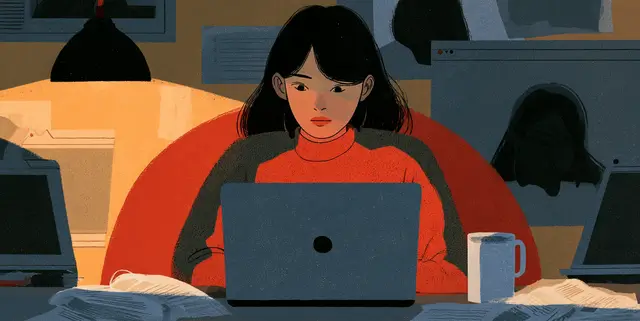
Many people feel it: after spending a long time online, it can become harder to focus on one task for very long. You may start reading an article and then quickly jump to a video, a message, or another tab. This is not just a personal weakness. The internet is often built to keep your attention moving from one thing to another.
Researchers have long studied how constant notifications, endless scrolling, and short videos affect the brain. When your phone or computer keeps giving you new bits of information, your mind gets used to quick changes. Over time, this can make slower activities feel dull or tiring, such as reading a book, paying bills, or having a long conversation without checking your screen.
Why online habits can affect focus
Each alert, like, and message gives a small reward to the brain. This can train people to expect fast updates and frequent stimulation. As a result, some people may find it harder to sit with one task, especially if it is quiet, slow, or requires patience. That does not mean the internet permanently damages attention, but it can shape habits in ways that are easy to notice.
There is also the problem of multitasking. Many people think they can do several online things at once, but switching between tasks often leads to mistakes and mental fatigue. The brain has to keep adjusting, and that can leave a person feeling tired even after only a few hours online.
Not everyone is affected in the same way
Attention is not the same for every person. Age, sleep, stress, medical conditions, and the type of online content all matter. A person using the internet for learning, video calls, or work may have a different experience from someone who scrolls endlessly through short clips and headlines. It is important not to blame individuals alone when the design of online platforms encourages constant checking.
There is also a bigger question: if businesses make money when people stay online longer, should they be responsible for the effects on attention and well-being? That question matters, especially for children, older adults, and anyone already feeling overwhelmed.
Simple ways to protect your attention
- Turn off non-essential notifications.
- Set specific times to check email, news, or social media.
- Take short breaks away from screens.
- Read longer articles or books in a quiet place.
- Keep your phone out of reach during meals or conversations.
Small changes can help your mind recover from constant digital noise. Spending time online is not always harmful, but too much of it can make focus feel harder. The key is to notice your own habits and ask whether your screen time is helping you, distracting you, or doing a bit of both.
It is worth asking a hard question: are we using digital tools on our own terms, or are they quietly training our attention for someone else’s profit?