



Artificial intelligence is often described as a force changing the obvious places first: software, online shopping, and big tech companies. But some of the most interesting gains are happening in industries that many people would not expect. These are the places where work is repetitive, records are messy, and small improvements can save a lot of time and money.
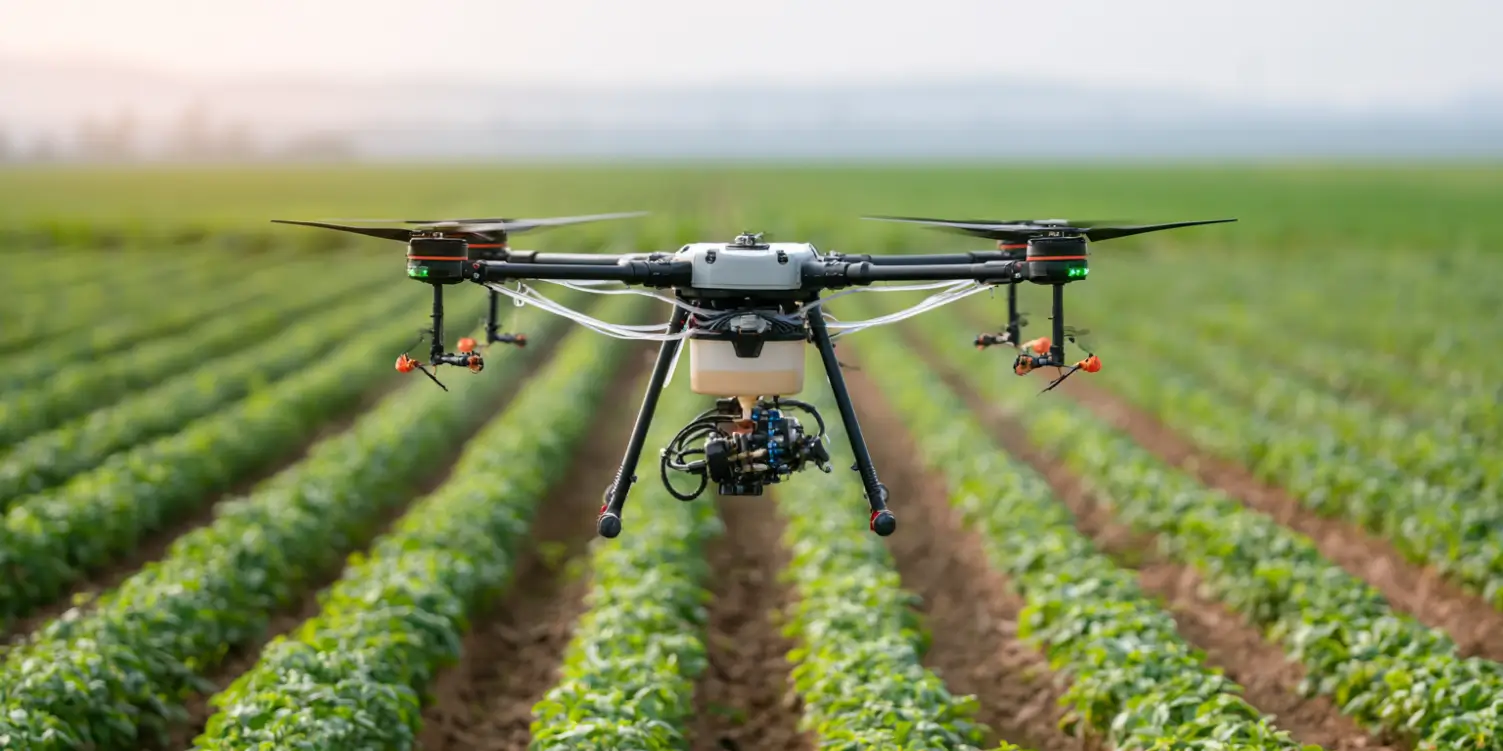
One surprising area is agriculture. Farmers are using AI tools to watch crops, spot pests, and guess when plants need water. This can reduce waste and help harvests. But it also raises questions. Who owns the data from a farm? Can smaller farmers afford these tools, or will the benefits mostly go to large companies?
Construction is another industry seeing real gains. AI can help plan projects, predict delays, and check safety risks before work begins. That matters because building sites are busy and expensive places where mistakes can be dangerous. Still, workers may worry that managers will use AI to monitor them too closely or cut jobs instead of improving safety and training.
Insurance is also changing fast. AI can read claims, spot patterns, and flag possible fraud more quickly than a human team can. This may speed up payments for honest customers. But there is a hard question here: if an AI system makes a mistake, who is responsible? A denied claim can be stressful, especially for older people or families already under pressure.
In manufacturing, AI is helping machines spot defects, predict equipment failures, and keep production lines running. The benefits are easy to see: fewer breakdowns, less waste, and better quality control. Yet factories are also places where automation can replace routine jobs. That is why experts keep asking not only what AI can do, but also who it leaves behind.
Healthcare administration is another unexpected winner. Hospitals and clinics use AI to sort paperwork, schedule appointments, and help with billing. This may give nurses and staff more time to focus on patients. But health data is very private. If these systems are not careful, they could expose sensitive information or make decisions that people do not understand.
Even legal services and accounting are seeing gains in tasks that involve reading large piles of documents. AI can search records, summarize contracts, and organize reports. For small firms, this can be a big help. But it also means clients should ask whether a machine is doing work that once required a trained professional. Speed is useful, but accuracy and accountability matter more.
The common pattern across these industries is simple: AI brings the biggest gains where there is a lot of repetitive work and a lot of data. The technology is often less magical than the headlines suggest. In many cases, it is just doing boring tasks faster. That can still be valuable.
At the same time, the biggest gains are not always the fairest gains. Companies may see higher profits, while workers face pressure to adapt quickly. Customers may get faster service, but also more automated decisions. And communities may be asked to trust systems they cannot easily inspect.
The real question is not whether AI can improve these industries. It already can, in many small and practical ways. The better question is whether the benefits will be shared widely, with proper rules for privacy, fairness, and human oversight. Without that, the unexpected winners may be companies and executives, while workers and customers carry the risk.