



Artificial intelligence is moving fast, and the next five years could bring some of the most helpful changes we have ever seen in daily life. From easier health care to smarter tools at home and at work, AI is becoming less like a futuristic idea and more like a practical helper. The biggest trends are not just about machines becoming smarter. They are about AI becoming more useful, more personal, and more available to everyone.
1. AI assistants will become more natural and helpful
Today, many people already use voice assistants, chat tools, and smart apps. In the next five years, these tools will likely become much better at understanding plain language, remembering preferences, and handling everyday tasks. Instead of giving short answers, AI assistants may help people schedule appointments, summarize long messages, organize finances, and even remind them about important health or family tasks.
This could be especially helpful for older adults and busy families. A good AI assistant can reduce stress by taking care of small chores that take time and energy. The goal is not to replace people, but to give them more support.
2. AI will play a bigger role in health care
Health care is one of the most promising areas for AI. Over the next five years, AI may help doctors spot illnesses earlier, read scans more quickly, and suggest better treatment options. It can also help hospitals manage appointments, reduce waiting times, and improve record keeping.
For patients, this could mean faster answers and more personal care. AI tools may also help people track sleep, blood pressure, heart rate, and medication reminders at home. These simple uses can make a big difference in daily life, especially for people managing long-term health conditions.
3. AI will make work easier, not just faster
Many people worry that AI will only take jobs away, but a more hopeful trend is that AI can also make work easier and more meaningful. In many jobs, AI will handle repetitive tasks such as sorting emails, writing basic reports, or checking data for errors. That gives people more time to focus on creative thinking, problem solving, and helping others.
In offices, shops, schools, and even small businesses, AI tools may become as common as calculators or word processors. Workers who learn how to use these tools well could become more productive and less overwhelmed.
4. AI will become part of everyday devices
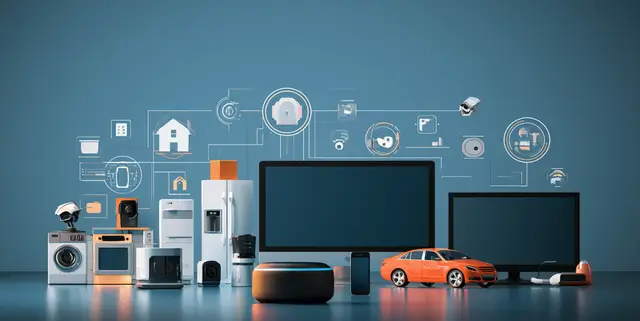
AI will not only live in computers and phones. It will become part of many everyday devices, including home appliances, cars, cameras, and televisions. Smart home systems may learn routines and help save energy. Cars may use AI to improve safety and support drivers. Cameras and security systems may become better at spotting unusual activity while reducing false alarms.
This trend matters because it brings AI into the background of normal life. People may not always notice the AI working, but they will benefit from the convenience, safety, and comfort it provides.
5. AI content tools will keep growing
AI tools that create text, images, audio, and video are improving quickly. In the next five years, these tools will likely become easier to use and more accurate. Small businesses, teachers, writers, and families may all use them to create simple materials, explain ideas, or make communication clearer.
At the same time, people will need to be careful. It will be important to check facts, protect privacy, and understand when content is made by AI. The best future is one where AI helps people create, while humans still guide the final result.
6. More focus on safe and responsible AI
As AI becomes more powerful, there will also be more attention on safety, fairness, and trust. Governments, companies, and researchers are already working on ways to reduce mistakes, protect personal data, and stop misuse. This is a very important trend because people need to feel confident that AI is working for them, not against them.
We can expect better rules, clearer labels, and stronger protections around how AI systems are built and used. Responsible AI will help make sure these tools are useful for everyone, not just a few large companies.
7. AI education will become more important
Learning how AI works will become a basic skill, much like learning to use email or search the internet. Schools, workplaces, and community programs may begin offering simple lessons on how to use AI safely and wisely. This will help people of all ages feel more comfortable with the technology.
The good news is that AI does not have to be complicated. Many people will only need to understand the basics: what AI can do, where it can help, and how to check its answers.
Over the next five years, AI is likely to become more helpful, more personal, and more present in everyday life. The most exciting part is not just the technology itself, but the way it can improve health, save time, support learning, and make daily routines easier. If developed responsibly, AI could become one of the most useful tools ever created.