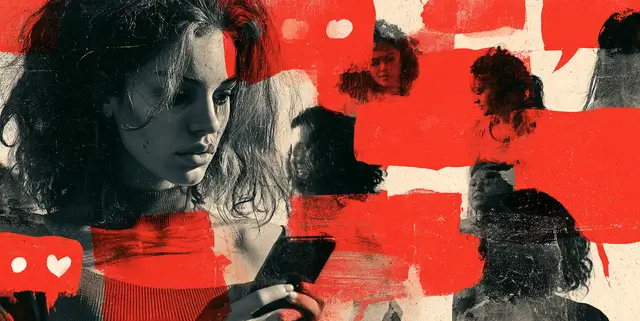



In recent years, social media platforms like Facebook, Twitter, Instagram, and TikTok have become an integral part of our daily lives. These platforms allow us to connect with friends and family, share our thoughts and experiences, and access a wealth of information at the click of a button. This digital transformation has brought both positive and negative changes to society.
Connecting the World
One of the most significant benefits of social media is its ability to connect people across the globe. Older generations might remember a time when keeping in touch with distant relatives meant writing letters or making expensive phone calls. Today, a message can be sent instantly to someone on the other side of the world, making it easier to maintain relationships, no matter the distance.
Access to Information
Social media platforms have become a go-to source for news and information. It’s now possible to stay updated on current events in real-time, simply through a smartphone. Additionally, social media has given a voice to individuals and groups who may have been previously unheard, allowing for a wider range of opinions and discussions.
The Influence on Mental Health
Despite the advantages, social media can have a downside, especially concerning mental health. The constant barrage of images and information can lead to feelings of inadequacy and anxiety, particularly among younger users who are more susceptible to online pressures. It’s important to remember that not everything we see online reflects reality, and taking breaks from social media can be beneficial.
Privacy Concerns
Another issue with social media is privacy. As we share more of our lives online, concerns about data security and privacy increase. Many people are unaware of how their information is used by these platforms, which can sometimes lead to breaches of personal data. It’s crucial for users to understand privacy settings and stay informed about how their data is being handled.
Impact on Communication Skills
The way we communicate has changed dramatically with the rise of social media. While it has made communication faster and more convenient, some argue that it might negatively impact our face-to-face interaction skills. Emojis and text abbreviations are becoming the norm, which could lead to a decline in traditional communication skills, especially among younger individuals.
Business and Marketing Opportunities
For businesses, social media offers unprecedented opportunities for marketing and customer engagement. Companies can reach a global audience without the need for expensive advertising campaigns. This level of interaction helps businesses better understand their customers’ needs and preferences, allowing for more personalized services and products.
Cultural and Social Movements
Social media has also played a pivotal role in cultural and social movements. Platforms have given rise to movements like #MeToo and Black Lives Matter, helping to raise awareness and drive societal change. These platforms enable individuals to organize, share information rapidly, and build communities around shared goals and values.
In conclusion, social media has a profound impact on modern society, with both its benefits and challenges. By staying informed and using these platforms responsibly, individuals can enjoy the benefits while mitigating potential downsides.