


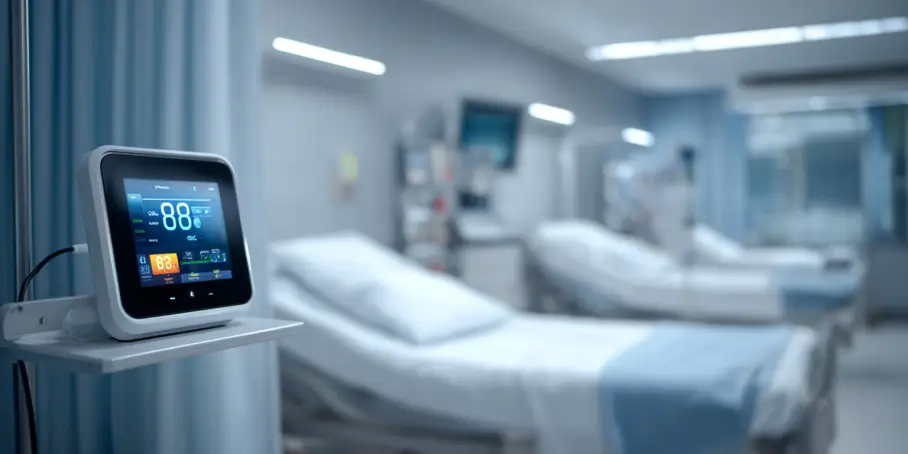
The world of healthcare is experiencing a remarkable evolution, driven by advancements in technology. One of the most significant changes we’re witnessing today is how modern medical devices are evolving, with a keen focus on continuous patient monitoring. This shift is not just reshaping the tools we use to manage health but also enhancing the quality of care patients receive.
The New Wave of Medical Innovation
The rapid pace of technological advancement means that devices used in today’s hospitals and clinics are more advanced and efficient than ever. These innovations are no longer limited to the confines of medical facilities. With wearable technologies and smart devices, continuous monitoring can now happen from the comfort of a patient’s home.
This wave of innovation includes devices like smartwatches that can monitor heart rate, blood pressure, and even detect anomalies like atrial fibrillation. Alongside these are more specialized tools, such as glucose monitors for diabetes patients, which provide real-time updates on blood sugar levels.
The Importance of Continuous Monitoring
Continuous monitoring plays a crucial role in preventive healthcare, as it allows for the early detection of potential health issues. By gathering data around the clock, healthcare providers can identify trends and signs that could signal deteriorating health conditions before they become critical. This timely intervention can significantly improve patient outcomes.
Furthermore, for patients with chronic conditions, continuous monitoring translates into increased independence and peace of mind. Devices designed for personal use mean that individuals can track their health metrics and share them with their doctors without frequent clinic visits.
Challenges and Considerations
Despite the many benefits, the integration of continuous monitoring devices into regular health practices is not without challenges. Concerns about data security and patient privacy are paramount. Ensuring that the sensitive health data collected by these devices is protected is essential to maintaining trust and safety.
Additionally, not everyone may feel comfortable using technology-based solutions. It’s crucial to ensure that users, especially the elderly and those less familiar with technology, have the support they need to use these devices effectively.
A Future of Health and Technology
The future looks bright as technology continues to intertwine with healthcare, promising more personalized and efficient medical care. The push towards continuous patient monitoring is a step forward in creating a healthcare system that is not just reactive, but proactive and preventive.
For all of us, this means easier access to health data, better communication with healthcare providers, and ultimately, improved overall health and well-being.