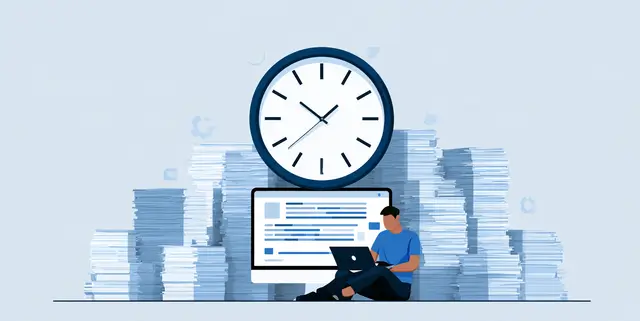


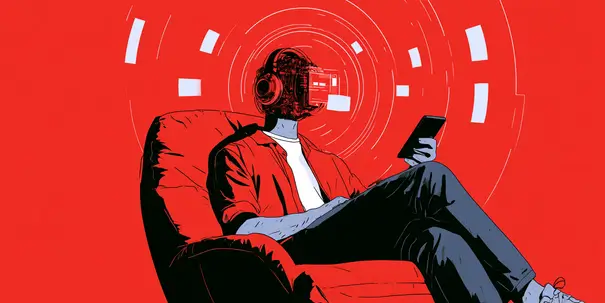
Technology has changed the way we live in small and big ways. We can send a message in seconds, buy groceries without leaving home, and get answers to questions almost instantly. But there is a downside that many people are starting to notice: we may be becoming less patient.
Think about how often you wait for something now. Waiting for a bus, a package, a reply to a text, or a video to load can feel more annoying than it used to. That is not just in your head. When life gets faster, our minds start to expect speed everywhere.
Why instant access changes our expectations
Humans naturally like quick rewards. If you press a button and get a result right away, your brain remembers that. Over time, it starts to expect that kind of speed in other parts of life too. Technology trains us like that without us even noticing.
For example, streaming services let us watch a movie right away. Search engines answer questions in seconds. Food delivery apps show us a map of our order moving toward the door. These tools are convenient, but they also make ordinary waiting feel harder. A five-minute delay can seem much longer when we are used to everything being almost instant.
This is a bit like getting used to an elevator after walking up stairs every day. Once you know there is an easier, faster way, the older slower way feels more tiring, even if it is still normal.
The brain likes rewards now, not later
Psychologists say our brains are built to prefer immediate rewards. If you can have a cookie now or two cookies later, many people would choose the one they can enjoy right away. Technology makes those immediate rewards available all the time.
Social media is a good example. A post can bring likes, comments, and attention within minutes. That quick feedback can feel exciting. But it can also make waiting for real-life rewards feel frustrating. A promotion at work, a new skill, or a healthy habit all take time. Compared with instant online feedback, these slower rewards can feel less satisfying in the moment.
When people get used to fast results, they may become less comfortable with the slow parts of life. That can show up as impatience in traffic, in conversations, or even when learning something new.
How technology can make waiting feel harder
There are a few reasons technology may be affecting our patience:
- Less practice waiting: We do fewer things that require patience, so the skill gets weaker.
- Constant interruptions: Notifications keep pulling our attention, making it harder to sit still and wait.
- High expectations: Once we know something can be fast, anything slow feels more frustrating.
- Stress and overload: Being always connected can make us feel rushed, even when we are not in a hurry.
It is not that technology is “bad.” The problem is that many tools are designed to keep us engaged by giving us quick responses. That can be helpful, but it can also shorten our tolerance for delay.
What this means for everyday life
Becoming less patient can affect more than just our mood. It can influence our relationships, our work, and our health. A person who feels rushed all the time may snap at family members, interrupt others, or give up too quickly when something takes effort.
Patience matters in many parts of life. It helps us listen better, handle problems calmly, and stick with goals that take time. A garden, for example, does not grow overnight. Neither do stronger friendships, savings, or better health. If we expect everything to happen quickly, we may feel disappointed often.
Older adults may notice this change especially when younger family members seem restless or uncomfortable with delays. But this is not only a young person problem. Many adults of all ages now live in a world where speed is the norm.
Can we get patience back?
Yes, and it does not mean giving up technology. It means using it in a way that does not control us. Small habits can help rebuild patience:
- Leave the phone alone for a while: Try short breaks without checking messages or news.
- Practice slow moments: Sit quietly, take a walk, or wait in line without reaching for your screen.
- Do one thing at a time: Multitasking can make us feel more rushed than we really are.
- Notice your reactions: When you feel impatient, pause and ask yourself if the delay is truly a problem.
- Make room for slow rewards: Read a book, cook a meal, or work on a hobby that takes time.
These simple habits remind the brain that not everything needs to happen right away. Over time, that can make waiting feel less uncomfortable.
Technology has made life easier in many ways, but it has also changed the rhythm of daily life. The more we get used to instant answers, instant entertainment, and instant service, the more ordinary waiting can feel painful. The good news is that patience is still something we can practice. Like any skill, it gets stronger with use.
In a world that moves faster every year, patience may be one of the most valuable habits we can keep.