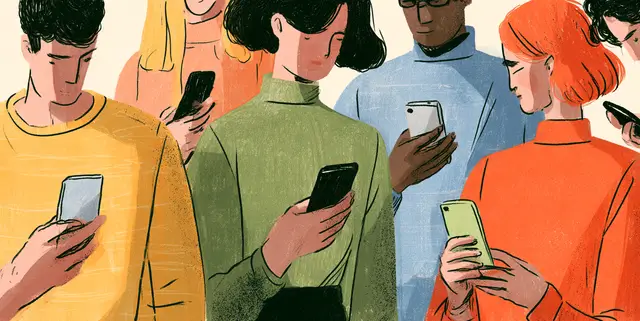



For most of us, the smartphone is the first thing we reach for in the morning and the last thing we check at night. It helps us stay in touch, find directions, read the news, and enjoy photos from family and friends. But what happens when it is suddenly out of reach?
That is exactly what I experienced during a full 24 hours without my smartphone. I expected frustration, boredom, and maybe a little panic. Instead, I discovered something surprisingly refreshing: life can feel calmer, slower, and more present when the phone is not constantly demanding attention.
The first few hours felt strange
At first, I kept reaching for my pocket out of habit. I wanted to check messages, look at the time, and scroll through updates. It was a reminder of how deeply smartphones have become part of daily life. Even when we are not using them, we often expect them to be nearby.
Without the phone, small moments became more noticeable. I paid more attention to the sounds in the room, the people around me, and the tasks I was doing. It was a simple change, but it made the day feel more real.
I noticed how often I use my phone without thinking
One of the biggest lessons was just how automatic phone use has become. Many people do not pick up their phones because they need to. They do it out of habit. A quick check turns into several minutes of scrolling, and those minutes can add up quickly.
Being offline for a day showed me how easy it is to lose time without noticing. It also made me think about how often phones interrupt sleep, meals, and conversations. When the device is always close, it can quietly pull our attention away from the present moment.
Life became a little quieter
Without constant alerts, the day felt calmer. There were no buzzing notifications, no urgent-looking messages, and no pressure to reply immediately. That quietness was comforting. It gave my mind more room to rest.
This is one reason many people are becoming more interested in digital balance. Technology is wonderful, and smartphones bring many useful benefits. But too much screen time can leave people feeling tired or distracted. A short break can help the mind reset.
I was still connected in other ways
One surprise was how easy it was to stay connected without a smartphone. I could talk face to face, write things down, and use a computer when needed. It reminded me that communication existed long before mobile phones, and it can still work well today.
In some ways, those older methods felt more thoughtful. A handwritten note, a real conversation, or a quiet walk can often mean more than a fast message sent in a hurry.
What I learned about balance
The biggest lesson from my 24-hour phone break was not that smartphones are bad. They are incredibly helpful tools, and for many people they make daily life easier and safer. The lesson was that balance matters. Technology works best when we use it with intention, not when it controls our attention.
After the experiment, I felt more aware of my habits. I now try to keep a few simple rules: leave the phone away during meals, avoid checking it first thing in the morning, and put it down before bedtime. These small changes can make a big difference.
If you have ever felt overwhelmed by your screen time, even a short break may help. You do not need to give up your smartphone to benefit from it less. Sometimes, just a few hours away from the screen is enough to feel more peaceful, more focused, and more connected to the world around you.
Technology will keep improving, and that is exciting. But this experience was a gentle reminder that the best tools are the ones that support our lives, not the ones that take them over. In a world full of digital noise, a little quiet can be a gift.