



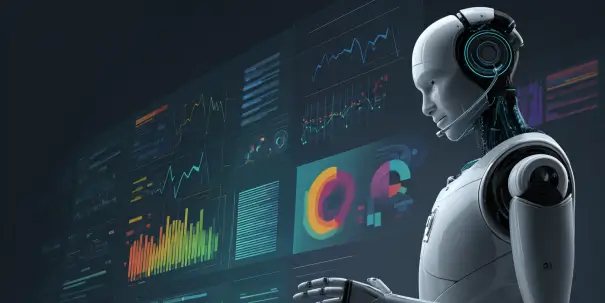
In recent years, especially as we step into 2026, we have witnessed a significant change in the way businesses operate and use technology. This change is largely driven by the rise of AI agents, which are increasingly taking over roles traditionally filled by Software as a Service (SaaS) tools. But what exactly does this mean, and how does it affect us? Let’s explore.
Understanding AI Agents
Firstly, AI agents are smart computer programs designed to perform tasks intelligently. Unlike the regular software we’re used to, which follows set commands, AI agents learn from data, make decisions, and improve over time. They operate more like virtual assistants that can handle various tasks and make our work easier and more efficient.
The Traditional SaaS Model
SaaS tools have been the backbone of many businesses for nearly two decades. These are applications hosted online that users can access through the internet without needing to install software on their computers. Think of tools like Microsoft Office 365 or Google Workspace; these make it easier to manage documents, emails, and collaboration without worrying about storage or hardware issues.
What’s Changing in 2026?
In 2026, AI agents are increasingly stepping into roles once filled by SaaS tools. For instance, instead of using separate software to handle customer service, scheduling, and data analysis, an AI agent can perform all these tasks seamlessly. This shift comes with several benefits:
- Integration: AI agents can combine functions from multiple SaaS tools into one integrated platform.
- Efficiency: They can process information faster and more accurately than traditional software.
- Cost-effective: AI agents can lower costs by reducing the need for various separate software subscriptions.
- Customization: These agents can be tailored to match the specific needs of a user or business.
Real-World Examples
Consider a business that used to rely on multiple SaaS tools for email marketing, customer support, and project management. Now, a single AI agent can handle personalized email marketing, respond to customer queries in real-time, and keep track of project milestones and goals without the need for human intervention at every step. This not only streamlines processes but also ensures tasks are performed with high efficiency and minimal errors.
The Human Touch
Despite these advancements, it’s essential to note the human element remains critical. AI agents are tools designed to assist, not replace, human workers. The goal is to enhance human productivity and creativity by freeing up time spent on repetitive and mundane tasks, allowing us to focus more on strategic and creative areas.
What the Future Holds
As we move forward, it’s expected that AI technology will continue to evolve, and we might see even more sophisticated applications in place. However, embracing this change requires adaptability and learning new skills to maximize the benefits AI agents offer. It’s a thrilling time for technology and an opportunity for individuals and businesses alike to rethink how they can harness these innovations to stay ahead in the rapidly changing world.