


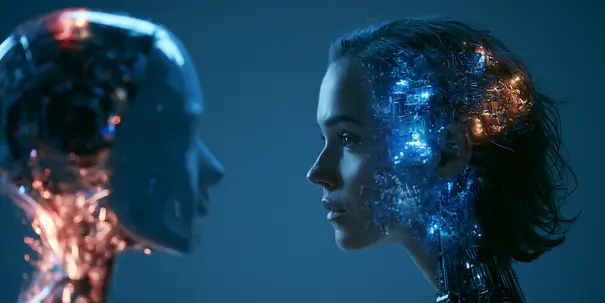
Artificial intelligence is getting better at many things: spotting patterns, answering questions, translating languages, and helping people work faster. One of the most interesting questions is whether AI can also understand human emotions. The short answer is: AI can often detect signs of emotion, but it does not feel emotions the way people do.
That difference matters. A person may smile because they are happy, but they may also smile out of politeness, nervousness, or even sadness. Humans use tone of voice, facial expression, body language, and context to guess how someone feels. AI can study these clues too, and in some situations it can do it very well. But AI does not have a heart, memories, or personal experiences. It does not know what joy, grief, or love feels like from the inside.
How AI Reads Emotions
AI systems can be trained on large sets of data such as faces, voices, messages, and video clips. From this data, they learn patterns that often match certain emotions. For example, an AI tool might notice:
- a raised voice and fast speech that may suggest anger or excitement
- a downturned mouth and slow speech that may suggest sadness
- smiling eyes and relaxed posture that may suggest happiness
In text messages, AI can look for words, punctuation, and sentence style. A message like “I am fine.” may sound calm, while “I am fine!!!” may suggest strong feelings. In customer service, healthcare, education, and mental health support, this kind of emotion detection can be useful when used carefully and respectfully.
For example, AI may help a call center notice when a customer is frustrated, so a human worker can step in sooner. In schools, AI tools may help teachers see when a student seems confused or discouraged. In healthcare, some systems may help caregivers notice changes in mood that deserve attention. These uses can make support faster and more personal.
What AI Cannot Do
Even with all this progress, AI does not truly understand emotions in the human sense. It does not know what it means to miss a loved one, feel proud after hard work, or worry about the future. It only matches patterns it has seen before.
That means AI can make mistakes. A tired person may look unhappy when they are simply exhausted. Someone from a different culture may express emotions in a way the system does not expect. A person may hide their feelings entirely. These examples show why AI emotion tools should never be treated as perfect.
There is also another concern: privacy. If AI can read faces, voices, or messages, people may worry about how that information is collected and used. This is why clear rules, honest communication, and human oversight are so important. People should always know when emotion-related tools are being used and why.
Why This Technology Can Still Be Helpful
Even though AI does not feel, it can still be a powerful helper. Think of it like a very observant assistant. It can notice small signals that a busy person might miss. Used well, this can improve care, safety, and communication.
Here are a few positive ways AI may support people:
- Better customer service: AI can help identify frustration so problems are solved sooner.
- Support for teachers: It can spot signs that a student may need extra help.
- Health and well-being: It may help track mood changes over time, which can be useful in care settings.
- More accessible technology: AI can adjust responses based on a user’s tone or stress level.
These tools work best when they assist humans rather than replace them. A machine can point to a possible emotion, but a caring person is still needed to listen, ask questions, and respond with empathy.
The Future of Emotional AI
The future may bring AI that is better at recognizing emotional signals in more natural ways. It may be able to understand context more carefully, notice subtle changes, and respond in a kinder, more helpful tone. This could make digital assistants, learning tools, and health apps feel more supportive.
At the same time, the goal should not be to create machines that pretend to feel human emotions. The real value of AI is not in copying people, but in helping people. The best systems will be honest about what they can and cannot do, while using their strengths to make life easier and safer.
Imagine a world where an older adult gets a gentle reminder when a health app senses unusual stress, or where a lonely person finds a digital companion that responds in a warm and respectful way, or where a student receives encouragement at just the right moment. These are exciting possibilities. But they must be built with care, fairness, and human kindness at the center.
So, can AI really understand human emotions? In one sense, yes: it can recognize many emotional clues and respond in useful ways. In another sense, no: it does not truly feel emotions as humans do. That may sound like a limitation, but it is also what makes AI safe and useful when guided properly. AI can be a smart tool for noticing feelings, while people remain the true experts in compassion.
As this technology grows, the best future is one where AI helps us understand one another better, supports mental and emotional well-being, and gives more people the care they need. That is an exciting path forward.