


For years, many people have wondered whether AI is just a helpful tool or something that can truly rival human experts. New findings are adding fresh fuel to that debate. In some tasks, AI is now doing more than just keeping up — it is actually outperforming people who have years of training and experience.
This does not mean AI is replacing every doctor, teacher, lawyer, or engineer. But it does show that in certain jobs, AI can spot patterns faster, compare more information at once, and make predictions with surprising accuracy. Think of it like a very fast assistant that can read thousands of pages in the time it takes a person to read a few.
Where AI is pulling ahead
The biggest gains are happening in jobs that rely on recognizing patterns. For example, AI can sometimes help doctors find signs of illness in scans, assist customer service teams by answering routine questions, or help businesses predict what products people may want next. In these cases, AI is not guessing like a human might. It is using huge amounts of data to look for clues that people could miss.
That speed matters. A human expert may be highly skilled, but they still get tired, distracted, or slowed down by too much information. AI does not need sleep, breaks, or coffee. It can work through large piles of information quickly and consistently.
Why this matters in everyday life
For regular people, this could mean faster service, better medical support, and smarter tools at work. A person waiting for a test result may benefit if AI helps a doctor catch a problem earlier. A small business owner may save time if AI helps sort emails or predict inventory needs. A student may get more useful study help from an AI tutor that adjusts to their pace.
At the same time, people should not assume AI is always right. Just because it is good at one thing does not mean it understands the bigger picture. Human experts still matter because they bring judgment, experience, and common sense. A doctor, for instance, can talk with a patient, notice worries, and consider details that a machine cannot fully understand.
The real lesson: teamwork
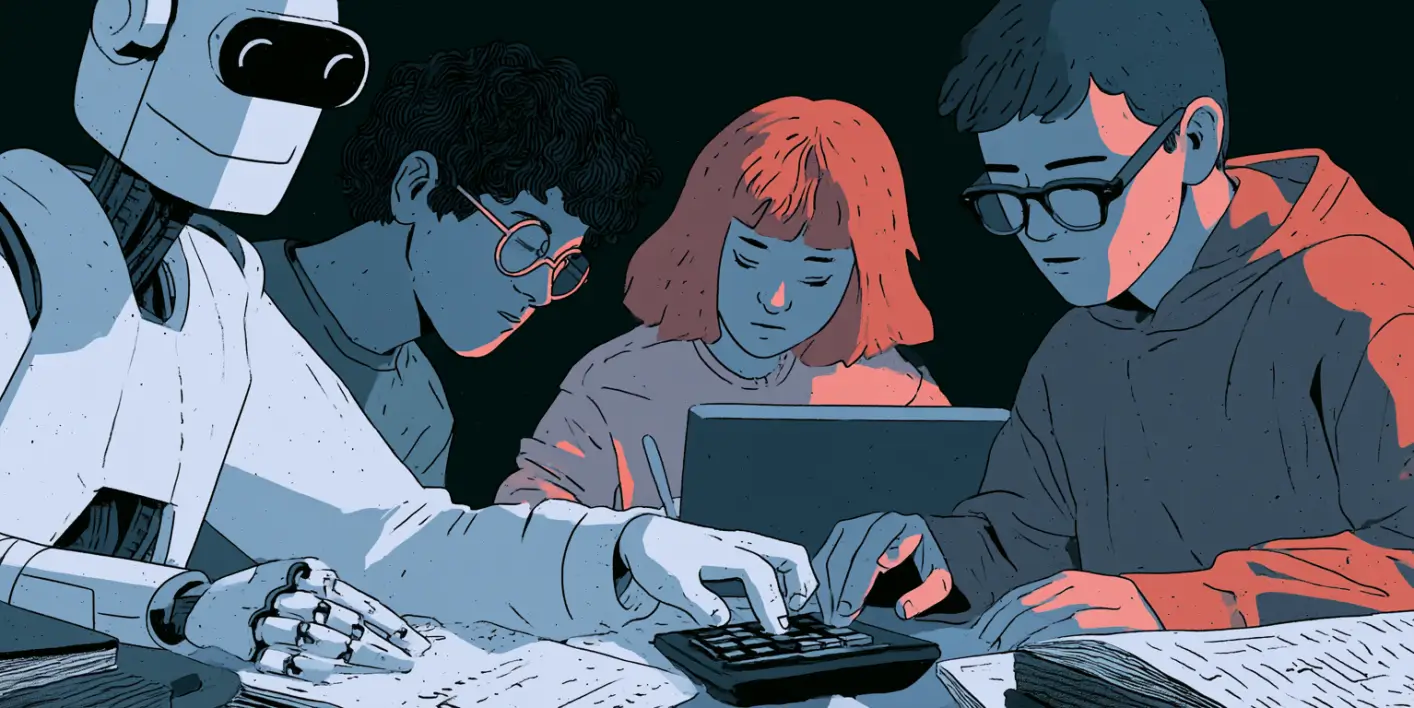
The most practical future is probably not AI versus humans. It is AI plus humans. AI can handle the heavy lifting, like sorting through huge amounts of information, while people make the final decisions. That is a bit like using a calculator in school. The calculator is fast and accurate for math, but the student still needs to know when and how to use it.
Experts say this kind of teamwork may become the new normal in many fields. People who learn how to use AI well may have an advantage, because they can do their jobs faster and with fewer mistakes. In other words, the winners may not be the people who ignore AI, but the ones who learn to work alongside it.
So, can AI outperform human experts? In some areas, the answer is becoming yes. But the bigger story is that AI is changing what expertise looks like. Instead of replacing human skill entirely, it is reshaping it — and that will affect how we work, learn, and get help in everyday life.