


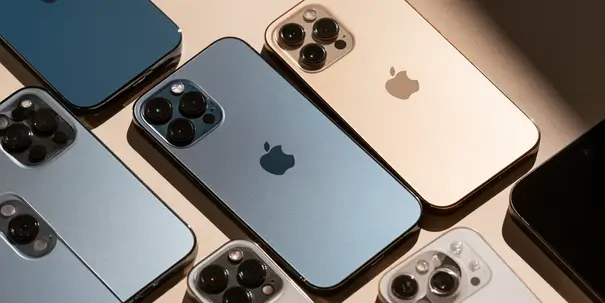
When shoppers compare smartphones, the price gap can feel hard to justify. One phone may cost under $300, while another from the same year can cost more than $1,000. On the surface, both can make calls, send messages, take photos, and run popular apps. So are expensive smartphones really better? The short answer is: sometimes yes, but not always in the ways people expect.
What buyers are really paying for is a mix of materials, screen quality, camera hardware, performance, software support, and brand positioning. In other words, the higher price is often about a bundle of improvements, not one single feature. Some of those upgrades matter a lot for heavy users. Others are more about comfort, prestige, and long-term ownership.
What makes a smartphone expensive
The first major factor is the display. Premium phones usually have brighter screens, smoother scrolling, better color accuracy, and stronger outdoor visibility. That may not sound dramatic, but it affects daily use more than many people realize. If someone spends hours reading, watching videos, or browsing photos, a higher-quality screen can make the phone feel much better every day.
The next big cost driver is the processor. Expensive phones often use the fastest chips available, which helps with gaming, video editing, camera processing, and multitasking. For most basic tasks, a mid-range phone is already good enough. But premium chips can keep a device feeling fast for longer, especially after years of app updates and heavier software demands.
Camera systems are another major reason prices rise. A flagship phone may include multiple lenses, larger sensors, better image stabilization, and advanced software features. The result is usually better photos in low light, more detail, and stronger video quality. Still, the difference is not always obvious in daylight or for casual snapshots. Many affordable phones now take very good photos for social media and family use.
Battery technology also plays a role. Higher-priced models may not always have the biggest batteries, but they often manage power more efficiently. They may also support faster charging, wireless charging, and better heat control. This can matter for people who are constantly on the move or rely on their phone for work.
What premium phones usually do better
There are a few areas where expensive smartphones tend to stand out consistently:
- Build quality: More metal, glass, and water resistance can make the phone feel more durable and polished.
- Camera performance: Better zoom, night photos, and video stabilization are often worth the extra cost for photo-heavy users.
- Display quality: Brighter, sharper, and smoother screens improve everyday experience.
- Software support: Premium models often get updates for longer, which helps security and longevity.
- Performance headroom: They stay fast under stress and age more gracefully over time.
For some buyers, these upgrades are not luxury extras. They are practical features that reduce frustration and improve reliability. A person who uses a phone for work, travel, content creation, or mobile gaming may genuinely benefit from paying more.
Where cheaper phones have caught up
At the same time, the smartphone market has changed a lot. Many mid-range devices now offer excellent battery life, sharp screens, 5G connectivity, and respectable cameras. For basic communication, streaming, navigation, and social media, they can feel almost as good as premium models.
This is one reason the value gap has narrowed. Smartphone makers have improved lower-cost devices because competition is intense. Companies want to attract buyers who no longer feel the need to spend top dollar. As a result, the biggest differences are often in the details rather than the headline features.
For example, a budget phone may still have a good camera, but it may take longer to open the app, struggle in dim light, or produce less stable video. A premium phone may offer only modestly better results in casual use, yet the improvement becomes more obvious in difficult conditions. That is where the extra cost starts to make sense.
The hidden costs behind the price tag
Consumers are not only paying for hardware. They are also paying for research, design, software development, marketing, and distribution. Premium brands often spend heavily to build trust and image. That brand value is part of the final price.
There is also an important business reality: flagship phones help companies make more profit per unit. A high-end device can carry a much larger margin than an entry-level model. That is why the most expensive phones often come with features that are impressive, but not always necessary. In many cases, the goal is to create a product that feels aspirational and justifies a premium position in the market.
Accessories and repair costs can add even more expense. A cracked screen, battery replacement, or lost charging cable can be significantly more costly on a premium phone. So while the purchase price is the most visible number, total ownership cost matters too.
Who should buy expensive smartphones
An expensive smartphone makes the most sense for people who want the best camera experience, care about display quality, use demanding apps, or keep their device for many years. It can also be a good choice for buyers who simply enjoy having a premium product and are willing to pay for that experience.
On the other hand, many people do not need a top-tier device. If the main uses are calls, texts, email, banking, maps, and occasional photos, a well-reviewed mid-range phone may be the smarter purchase. In that case, the buyer can save money without losing much in day-to-day use.
The key is to separate real needs from marketing. A higher price does not always mean a phone is twice as good. Often, it is only better in specific areas that matter most to certain users. The smartest purchase is not the most expensive one. It is the one that matches how the phone will actually be used.
In today’s market, expensive smartphones are better in many ways, but not universally better for everyone. Buyers should look closely at what they truly value: camera quality, screen quality, speed, longevity, or simply a lower price. Once that is clear, the right choice becomes much easier.