

Smartphones have become one of the most powerful consumer technologies ever created. What once required separate devices, special software, or professional help can now be done in seconds from a pocket-sized screen. For many people, the most impressive part is not just convenience, but how these features quietly save time, reduce costs, and change daily habits.
Here are seven smartphone capabilities that still feel a little bit like magic.
1. Unlocking your phone with your face or fingerprint
Biometric security has made phones faster and safer to use. Instead of typing a password every time, many devices can recognize your face or fingerprint instantly. This improves the user experience and also supports stronger security than simple PIN codes alone. For phone makers, biometrics have become a standard feature that helps differentiate premium devices.
2. Turning photos into useful information
Your phone can read text from signs, documents, and even handwritten notes in many cases. It can also identify objects, plants, landmarks, and products through the camera. This is a major example of artificial intelligence becoming practical for everyday consumers. It makes smartphones more valuable as personal assistants, not just communication tools.
3. Navigating almost anywhere in the world
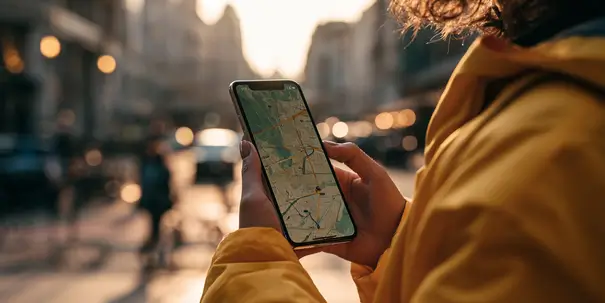
GPS and map apps have changed how people travel. A smartphone can calculate the best route, estimate traffic, reroute around delays, and even help users explore unfamiliar areas. This has disrupted traditional navigation devices and created a global market for location-based services, ads, and delivery platforms.
4. Translating languages in real time
With translation apps, a phone can help users understand foreign signs, menus, and conversations. Some tools can translate speech instantly or overlay translated words on a camera view. This feature lowers communication barriers for travelers, immigrants, and businesses working across countries. It also shows how AI is quietly expanding access to global commerce.
5. Making high-quality photos and videos automatically
Modern phones use software to improve pictures without the user needing to know anything about photography. They brighten dark scenes, sharpen details, reduce blur, and adjust color in real time. In business terms, this has raised consumer expectations and pushed camera companies to compete more on software than hardware alone.
6. Paying for things without cash or cards
Mobile wallets and tap-to-pay systems let users buy coffee, groceries, or transit tickets with a phone. This is convenient, but it is also strategically important. It encourages digital payments, reduces friction at checkout, and helps banks, retailers, and platform companies collect more data about consumer behavior. That data has become a major competitive asset.
7. Serving as a personal emergency tool
Smartphones can call for help, share live location, detect crashes, and send emergency alerts. Some devices can even contact services automatically in serious situations. These features show how phones are evolving beyond entertainment and communication into safety devices that can play a real role in protecting lives.
What feels like magic today is often the result of years of competition, software improvement, and investment in mobile ecosystems. Smartphones now sit at the center of daily life because they combine computing power, cameras, sensors, AI, connectivity, and secure payments in one device. That combination has made them one of the most important products in modern technology.