


By 2030, many of the tools we use every day may feel very different from the ones we know now. Some will save time, some may improve health, and others could make life at home, at work, and on the road much easier. Here are 10 technologies that could have a big effect on ordinary people in the next few years.
1. Smarter home assistants
Voice assistants are likely to become much more helpful. Instead of only setting timers or playing music, they may help manage schedules, remind people to take medicine, control lights, and even notice when something seems wrong at home. Think of them as a more capable helper in the house.
2. AI that helps with everyday tasks
Artificial intelligence is already being used in phones, computers, and apps, but by 2030 it may become a normal part of daily life. It could help write emails, sort photos, translate languages, and answer questions in a more natural way. For many people, this may feel like having a smart assistant who is always ready to help.
3. Better telehealth and remote care
Seeing a doctor from home may become even easier. More people could use video visits, at-home health checks, and devices that send health information directly to medical staff. This may be especially helpful for older adults, people in rural areas, or anyone who has trouble traveling.
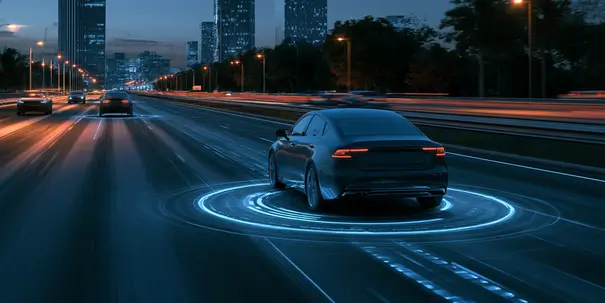
4. Self-driving and safer cars
Cars may become safer and easier to use with more advanced driver assistance. Some vehicles may be able to handle more of the driving themselves in certain situations. Even if fully self-driving cars are not everywhere, features like automatic braking, lane help, and parking assistance could become much more common.
5. Faster and more reliable internet
Better internet connections could make video calls smoother, online shopping easier, and streaming less frustrating. Faster networks may also help smart devices work better in homes and communities. In simple terms, fewer frozen screens and fewer dropped calls could make a big difference.
6. Smart glasses and wearable devices
Wearable technology may move beyond watches and fitness bands. Smart glasses could show directions, messages, or reminders right in front of a person’s eyes. Other wearables may track health more closely and send alerts if something seems unusual.
7. Robots for home and service work
Robots may slowly start doing more useful jobs, such as cleaning floors, carrying items, or helping in stores and care settings. They are unlikely to replace people in most roles, but they may handle repetitive tasks that many people do not want to do.
8. Personalized learning tools
Children and adults may use learning apps that adjust to their pace. If someone struggles with a topic, the tool can slow down and explain it in a different way. If they learn quickly, it can move ahead. This could make education feel more personal and less stressful.
9. Better home energy systems
Homes may use smarter systems to save electricity and lower bills. Solar panels, home batteries, and smart thermostats could work together more smoothly. Some families may even use apps to watch how much power they use and make better choices each day.
10. Digital identity and secure payments
By 2030, more people may use digital IDs and safer payment tools to prove who they are online or in person. This could make banking, travel, and government services easier. It may also reduce some kinds of fraud, which is a growing concern for many families.
What this means for everyday people: These technologies do not have to feel complicated. The biggest change may simply be that daily life becomes a little easier, faster, and safer. The main challenge will be making sure these tools are affordable, easy to use, and respectful of privacy. If that happens, technology in 2030 could feel less like a gadget and more like a helpful part of everyday living.