



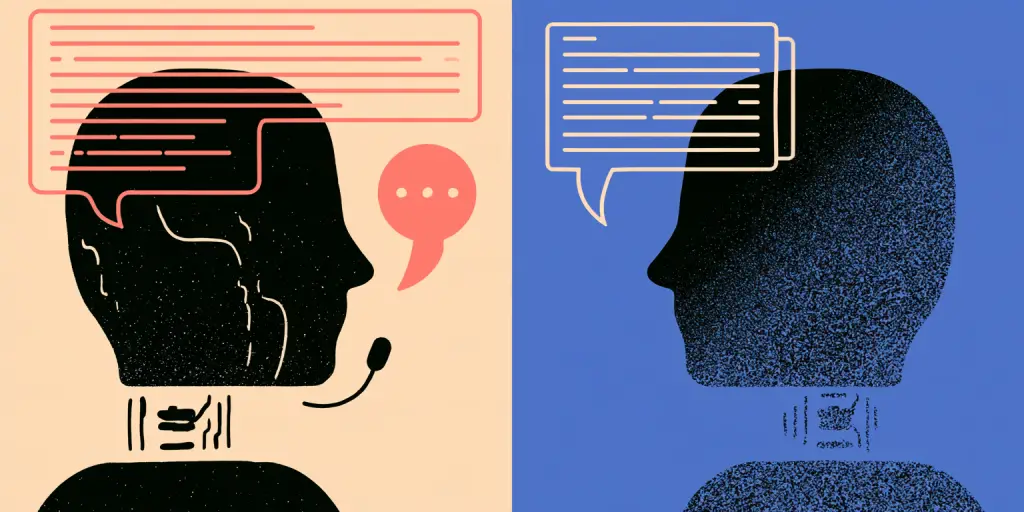
For years, artificial intelligence was mostly seen as a smart helper. It could answer questions, summarize text, and generate images. Useful, yes. But still limited. Now the conversation has changed. Everyone seems to want AI agents—systems that do not just respond, but act.
This shift matters because it is the difference between a tool and a worker. A chatbot waits for instructions. An AI agent can take a goal, break it into steps, use tools, search information, send messages, fill forms, and keep going until the task is done. In simple terms, it is moving from talking with machines to delegating work to machines.
That is why interest is rising so quickly. Businesses want help with customer service, sales, scheduling, research, and office tasks. People want personal assistants that can manage email, plan trips, compare prices, and organize daily life. In a world where time feels scarce, an AI agent promises something very powerful: saved effort.
There is also a deeper reason. Every major wave of technology has moved toward autonomy. First, we made machines that amplified human muscle. Then came computers that amplified memory and calculation. Now AI is beginning to amplify decision-making and action. That is a historic step. It suggests a future where software does not just store information, but participates in work itself.
But the excitement comes with caution. An agent that can act is more useful, but also more risky. If it makes a mistake, it may do so quickly and at scale. A typo in a chatbot response is one thing. A wrong action taken by an agent in a bank account, company system, or medical workflow is another. That is why many people are asking not only what can agents do?, but also how do we control them?
This is where trust becomes the real battleground. The future winners will not simply be the smartest agents. They will be the agents that are reliable, transparent, and easy to supervise. People need to know what an agent is doing, why it is doing it, and when a human should step in. In the long run, trust may matter even more than intelligence.
Another reason everyone wants agents is that the idea fits the moment. Companies are under pressure to do more with fewer people. Workers are overwhelmed by routine tasks. Consumers are used to apps that can do almost everything except finish the job. AI agents promise to close that gap.
We may look back on this period as the moment when AI stopped being a conversation partner and started becoming a digital colleague. That change could reshape offices, homes, and entire industries. The next big question is not whether AI can answer us. It is whether it can responsibly work alongside us.

