


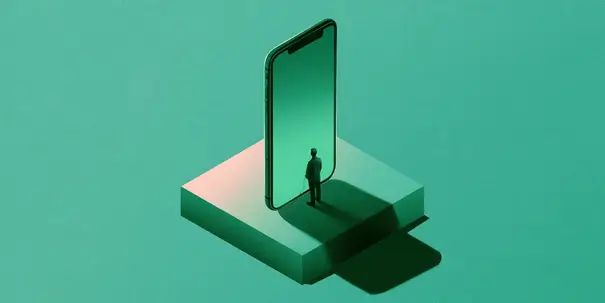
Smartphones in 2030 are likely to feel much more natural, helpful, and personal than the devices we use today. Instead of being just a screen in your pocket, a phone may become a smart companion that understands your needs, saves you time, and makes everyday tasks much easier.
One big change will likely be in the design. Phones may become thinner, lighter, and more durable. Some could have nearly invisible bezels, stronger foldable screens, or even flexible displays that bend without breaking. Materials may also improve, helping phones last longer and resist scratches, drops, and water damage.
Artificial intelligence will probably play a major role. Your phone may know when to remind you to take medication, call family, translate a conversation in real time, or help you write a message with just a few words. Instead of searching through menus, people may simply speak naturally and let the phone do the work.
Battery life should also improve. By 2030, phones may charge much faster and last much longer on a single charge. Some may use smarter energy-saving systems, while others could use new battery materials that are safer and more efficient. That means less waiting around and fewer worries about running out of power during the day.
Another exciting change is better health and safety features. Smartphones may be able to track heart health, detect falls, monitor sleep, or give gentle warnings when something seems wrong. For older adults, this could be especially helpful, offering peace of mind for both users and their families.
Phones will likely become better at connecting with other devices too. Your smartphone may work smoothly with your glasses, watch, car, home appliances, and even medical tools. This could make life simpler and more organized, with fewer steps needed to get things done.
Privacy and security will remain very important. As phones become smarter, users will need strong protection for personal data. The best smartphones of 2030 will likely include better ways to keep information private while still offering useful features.
The future of smartphones looks bright. They may become more helpful, easier to use, and more supportive of daily life. For many people, especially older users, this could mean less frustration and more confidence when using technology. In 2030, the smartphone may not just connect us to the world — it may help improve the quality of life in it.