



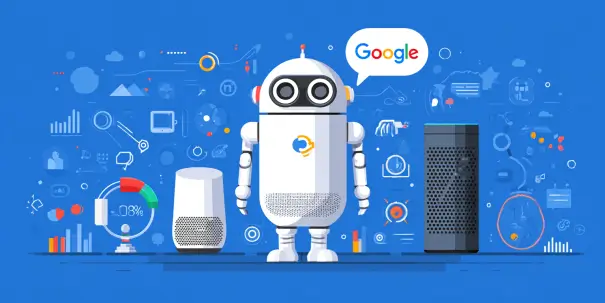
Artificial Intelligence (AI) is no longer a concept of the future; it is here and reshaping our everyday lives. In recent years, major technology companies like Google, Apple, Microsoft, and Amazon have been investing billions of dollars into AI research and development. But what does this mean for everyday people like you?
How Tech Giants are Leading the Charge
Large tech companies are spearheading the growth of AI by investing in diverse areas such as machine learning, natural language processing, robotics, and more. For instance, Google is well-known for its deep learning AI models that help improve search engines and email filtering. Apple’s Siri and Amazon’s Alexa are personal assistants powered by AI, making it easy to find information, set reminders, or control smart home devices with just your voice.
Impact on Everyday Life
These investments in AI are transforming how we live in numerous ways. Here are a few key areas:
- Healthcare: AI helps doctors by providing tools that can diagnose diseases faster and with greater accuracy. It can also personalize medicine, predict patient’s health trends, and even assist in surgeries with precision.
- Transportation: Self-driving cars are slowly becoming a reality. Companies like Tesla and Google are at the forefront of this technology, which could make driving safer and more accessible.
- Home and Lifestyle: Smart home devices, powered by AI, can learn your daily routine and preferences. They can adjust lighting, control temperatures, and manage security systems to make your home more comfortable and secure.
- Communication: AI translates languages in real time, allowing people who speak different languages to communicate more easily. This is making the world smaller and more connected.
The Concerns and Considerations
While AI holds great promise, there are legitimate concerns about privacy and job displacement. Tech companies and governments are aware of these issues and are working towards creating regulations and new job opportunities to mitigate them. Privacy concerns revolve around how much personal data is required to make these systems smarter. People are encouraged to understand and adjust privacy settings on their devices to protect personal information.
What’s Next?
The future of AI looks bright, with continuous advancements on the horizon. As AI becomes smarter, these technologies will become more intuitive and integrated into our daily activities. The hope is that AI will make life easier, more efficient, and above all, more connected.
For you, this means that embracing and understanding AI technology can bring significant benefits to your daily life, from simplifying mundane tasks to potentially improving health outcomes. As tech giants pour more resources into advancing AI, it’s an exciting time to see where this evolving technology will lead us.