



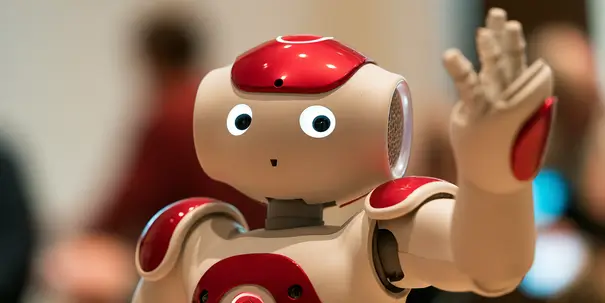
Robots are no longer just a movie idea or a factory-side experiment. They are slowly moving into homes, hospitals, warehouses, stores, and public spaces. The real question is not whether robots will become part of everyday life, but how quickly they will do so and which tasks they will handle first.
For many years, robots were mostly used in controlled places such as car factories and large manufacturing plants. That world is now changing. Advances in sensors, artificial intelligence, voice recognition, and battery life are making robots more useful outside industrial settings. At the same time, businesses are under pressure to reduce labor shortages, improve efficiency, and offer more services with fewer staff. These forces are pushing robotics closer to ordinary life.
Where robots are already showing up
Some robots are already part of daily routines, even if people do not always notice them. A robot vacuum cleaner moving across a living room floor is a simple example. In hospitals, robots can transport medicines, linens, and food. In warehouses, robots help sort packages and move shelves. In some stores and airports, robots can answer basic questions or guide visitors.
These uses matter because they show that robots do not need to look like humans to be useful. In many cases, the best robot is simply the one that saves time, reduces repetitive work, and lowers costs. This practical approach is why the first wave of everyday robots is focused on narrow jobs rather than full human-like behavior.
Why the market is growing now
The robotics market is gaining momentum for several reasons. First, labor shortages are becoming more common in logistics, elder care, cleaning, and food service. Second, companies want automation that can work for long hours without fatigue. Third, artificial intelligence has improved enough to help robots understand speech, recognize objects, and move more safely in changing environments.
There is also a clear business case. Robots can help companies manage rising wages and tighter margins. For large employers, even a small improvement in efficiency can create major savings over time. This is especially true in sectors where many workers do repetitive tasks. As a result, robotics is shifting from a future promise to a near-term investment priority.
The biggest barrier: cost and complexity
Even with all this progress, robots are still not ready to replace humans in most everyday settings. One major reason is cost. Advanced robots can be expensive to buy, install, and maintain. Companies also need staff who can operate and repair them. For smaller businesses, that can be a serious obstacle.
Another challenge is reliability. A robot that works well in a clean warehouse may struggle in a crowded home, a busy restaurant, or a hospital hallway with constant movement. Everyday life is messy, unpredictable, and full of small changes. Humans adapt easily. Robots still find that difficult.
Safety is another important concern. People want robots to be helpful, not dangerous. A machine moving around children, older adults, or patients must be highly reliable. This means robotics companies must invest not only in performance, but also in trust, testing, and clear rules for use.
What kinds of robots will arrive first
The first robots to become common in daily life will likely be the ones that perform simple, repetitive tasks. These include:
- Home cleaning robots that vacuum, mop, or mow lawns
- Delivery robots that carry food or small packages
- Warehouse robots that sort, lift, and transport goods
- Healthcare support robots that move supplies and assist with routine work
- Customer service robots that provide directions or answer basic questions
These robots are useful because they do not require the full range of human skills. They work best in limited environments where the rules are clear. That makes them easier to deploy at scale and easier for companies to justify financially.
Humanoid robots: exciting, but still early
Much of the public attention around robotics focuses on humanoid robots, or robots shaped like people. These machines attract interest because they seem flexible and familiar. In theory, a humanoid robot could use tools built for humans, climb stairs, and move through spaces designed for people.
But the business reality is more complicated. Humanoid robots are still expensive and difficult to build. They must balance on two legs, move smoothly, and understand complex surroundings. They also need strong software to make decisions in real time. That combination is hard to achieve and hard to scale.
For now, companies are more likely to succeed with specialized robots than with general-purpose humanoid machines. In other words, the near future of robotics is probably not a robot family living in the home, but many task-specific machines spread across different parts of daily life.
What this means for jobs and companies
Robots will not simply remove human work. In most cases, they will change it. Workers may spend less time on repetitive physical tasks and more time on supervision, customer service, maintenance, or problem-solving. This could improve working conditions in some industries, but it may also create pressure for retraining.
For companies, the strategic impact is significant. Businesses that adopt robotics early may gain lower operating costs, faster service, and better consistency. Those that wait too long may face higher expenses and falling behind competitors. This is why robotics is becoming a boardroom issue, not just an engineering topic.
At the same time, leaders must think carefully about public acceptance. People may welcome robots that clean floors or move boxes, but they may be less comfortable with robots making decisions in personal spaces. Trust will matter as much as technology.
How close are we really?
The honest answer is that robots are already part of everyday life, but only in limited ways. We are not yet at the point where robots are common in every home, school, or neighborhood. However, we are close to seeing robots become normal in more specific areas of daily activity.
Over the next few years, expect to see more robots in logistics, cleaning, healthcare support, delivery, and customer service. The shift will likely happen quietly, one task at a time. That is how most major technology changes arrive: not all at once, but gradually, until they feel ordinary.
So, how close are we really? Closer than many people think. The age of everyday robots is not fully here yet, but it has already started.