



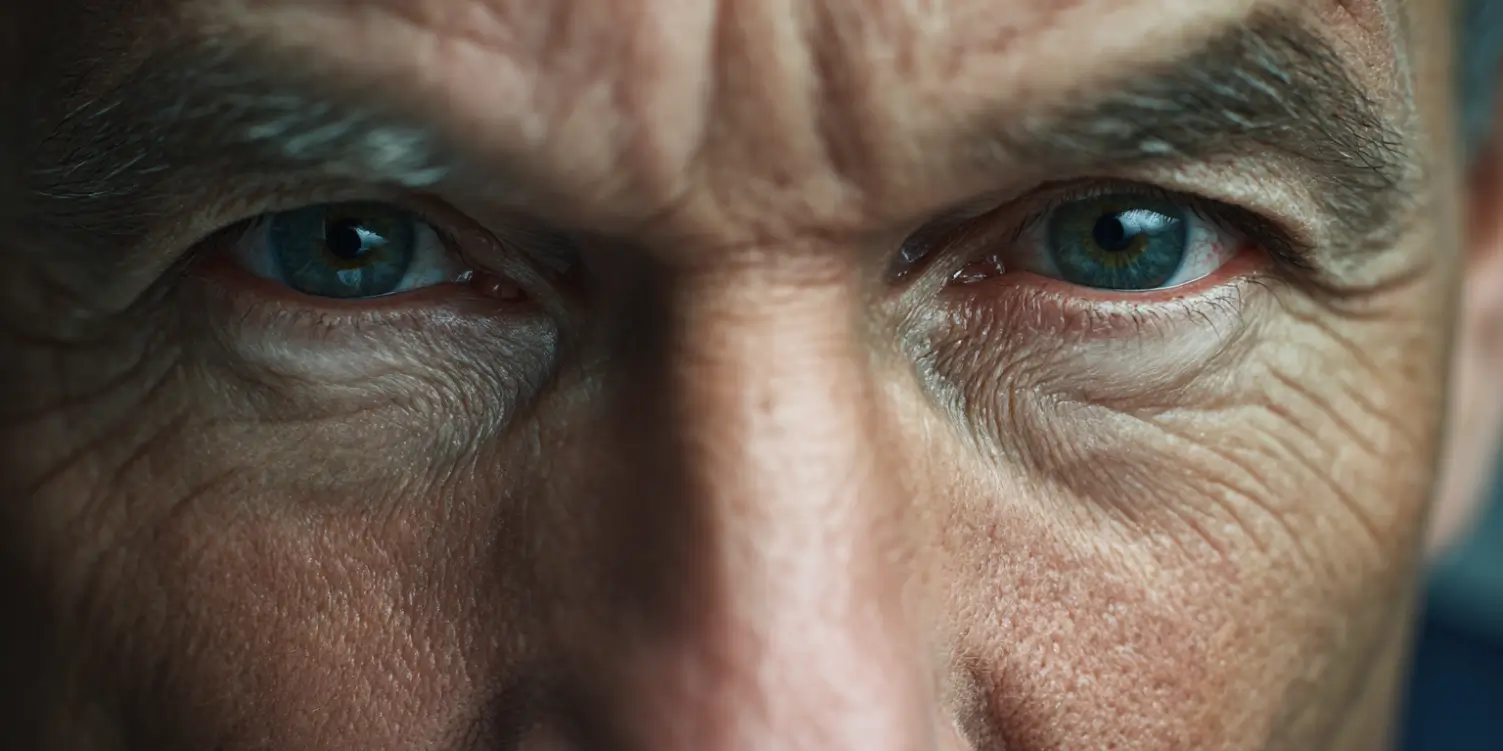
Not long ago, people used to believe that a photo or video was strong proof that something really happened. If you saw it with your own eyes, it must be true. But today, that is not always the case. New computer tools called AI deepfakes can make fake videos, fake voices, and even fake photos that look very real.
This is becoming a big problem online. A deepfake can show a person saying something they never said, doing something they never did, or appearing in a place they were never actually in. For many people, especially older adults who may not follow every new tech trend, this can be confusing and worrying.
What Is a Deepfake?
A deepfake is a fake image, video, or audio clip made using artificial intelligence. Artificial intelligence, often called AI, is a type of computer program that can learn patterns from large amounts of data. In the case of deepfakes, the computer studies a person’s face, voice, or movements and then creates something that looks and sounds like them.
Some deepfakes are made for fun, such as in movies or jokes. But many are made to trick people. A fake video can be used to spread lies, embarrass someone, or steal money. A fake voice call may sound like a family member asking for help. A fake photo may be used to make a false story seem believable.
Why Are Deepfakes So Hard to Spot?
Deepfakes have improved a lot in recent years. Early fake videos often looked strange or blurry. Today, many are much more convincing. Faces move more naturally, voices sound more real, and the small mistakes that once gave them away are getting harder to notice.
There are a few reasons why they can be so difficult to detect:
- They copy real people: The more real images or videos the AI has, the better it can imitate someone.
- They spread quickly: Fake clips can be shared on social media before anyone has time to check them.
- People believe what they expect to see: If a video matches a rumor or headline, many people assume it is true.
- The quality keeps improving: AI tools are getting more advanced all the time.
How Deepfakes Can Harm People
Deepfakes can cause real damage. They are not just harmless internet tricks. In some cases, they have been used to scam people out of money. A criminal might use a fake voice of a grandchild, boss, or friend to ask for urgent help or a quick transfer of cash.
They can also hurt reputations. A fake video of a public figure can spread false claims very fast. Even after the truth is known, many people may still remember the fake version. That can be hard to fix.
Another serious concern is emotional harm. Imagine seeing a believable video of someone you care about saying something shocking or upsetting. It can cause fear, confusion, and stress before the truth is discovered.
Deepfakes can also make it harder for people to trust real evidence. If fake videos become common, someone who is caught doing something wrong may simply claim, “That’s a deepfake,” even when the video is real. This creates a dangerous world where people may doubt both fake and true information.
Common Warning Signs to Look For
While deepfakes are getting better, they are still not perfect. There are often small clues that something may be fake. It helps to slow down and look closely.
- Odd blinking or eye movement: The eyes may not look natural.
- Strange lip movement: The words and mouth may not match perfectly.
- Weird lighting or shadows: Parts of the face may not match the rest of the image.
- Unnatural voice tone: The voice may sound flat, robotic, or slightly off.
- Background mistakes: Objects in the background may blur, move strangely, or change shape.
Still, it is important to remember that some deepfakes are so good that you may not spot any obvious errors. That is why it is wise to check more than just the video itself.
Simple Ways to Protect Yourself
The good news is that you do not need to be a tech expert to stay safer online. A few simple habits can help.
- Pause before believing or sharing: If a video is shocking or emotional, take a moment before reacting.
- Check the source: See if the information comes from a trusted news outlet or official account.
- Look for other reports: If something important really happened, other reliable sources will usually mention it too.
- Be careful with urgent money requests: If someone asks for money by phone or voice message, verify it another way first.
- Use a second method to confirm identity: Call the person back using a known number if possible.
- Pay attention to your feelings: If something seems very strange or too dramatic, it may deserve a second look.
It can also help to talk with family members about deepfakes, especially younger relatives who may be able to help spot suspicious content. Sharing a simple rule like “Don’t trust it until it is checked” can prevent a lot of trouble.
What Social Media and Tech Companies Are Doing
Some technology companies are trying to fight deepfakes by adding labels, warnings, and detection tools. They may remove fake content or mark AI-generated media when they can identify it. Governments in some places are also creating new rules about harmful deepfakes, especially those used for scams or to fool voters.
But this is a fast-moving problem. The same technology that creates deepfakes is also being used to find them, and the race is not easy. As AI improves, fake content may become even harder to detect. That means people will likely need to become more careful and more alert when they go online.
Why Digital Common Sense Matters
The most important lesson is simple: not everything online is real, even when it looks real. That does not mean we should panic or stop using the internet. It means we should use a little more caution, the same way we would when hearing a rumor from a stranger.
If a video, photo, or voice clip seems unusual, it is okay to stop and ask questions. It is okay to wait before sharing. And it is okay to check with someone else before believing something big. In a world where computers can make almost anything look real, careful thinking is one of the best protections we have.
The internet can still be useful, entertaining, and informative. But as deepfakes become more common, trust will depend less on what we see at first glance and more on whether the information can be confirmed. That is a change we all need to understand.