


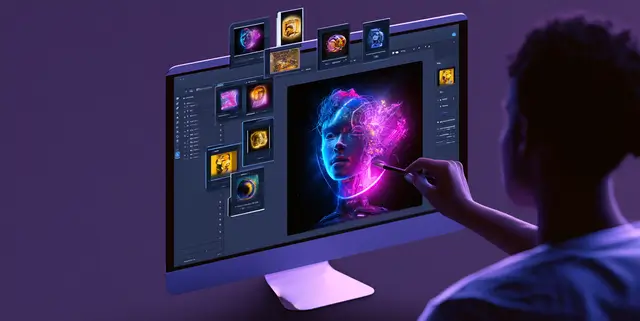
AI image generators have become popular because they can turn a short text prompt into a picture in seconds. That sounds impressive, but the real question is simpler: which tool gives the best results for everyday use, and at what cost?
There is no single winner for everyone. The best choice depends on what you need. Some tools are better at making realistic photos. Others are stronger at art styles, logos, or quick edits. And some are easier for beginners, while others ask more from the user.
What matters most
When comparing AI image generators, it helps to look at a few key things:
- Image quality: Do the pictures look clear and believable?
- Prompt accuracy: Does the tool follow your instructions well?
- Ease of use: Can a beginner understand it quickly?
- Editing options: Can you fix small details after the image is made?
- Cost: Is it free, paid, or limited by credits?
These questions matter because marketing pages often make every tool sound amazing. In practice, many systems are good at one thing and weak at another.
Common strengths and weaknesses
Midjourney is often praised for artistic and stylish images. It can produce beautiful results, but it may feel less simple for people who want a plain, direct workflow.
DALL\u00b7E is known for being easy to use and for handling many everyday prompts well. It can be a good choice for people who want quick results without learning too much.
Stable Diffusion gives users more control and flexibility. That can be useful, but it may also feel confusing for beginners. It often works best for people who want to adjust settings and try many versions.
Adobe Firefly is designed with creative work in mind and may appeal to people already using Adobe tools. Still, users should ask where the training data came from and how the company handles copyright concerns.
Important concerns people should not ignore
AI image tools raise real questions. Some systems may be trained on large collections of online images, which can create concerns about consent, copyright, and fair pay for artists. There is also the risk of bias. If training data is uneven, the tool may produce unfair or inaccurate results for different people, jobs, or cultures.
Privacy is another issue. If you upload a personal photo or a private document, you should know how that data is stored and used. Not every service explains this clearly.
There is also the question of job displacement. Designers, illustrators, and photo editors may face pressure as companies use AI to cut costs. That does not mean human creativity is disappearing, but it does mean the industry is changing fast.
So which one wins?
If you want the most artistic results, Midjourney often stands out. If you want a simple and reliable tool, DALL\u00b7E may be easier to live with. If you want deep control, Stable Diffusion is strong. If you already work inside Adobe, Firefly may fit your workflow.
The honest answer is that no AI image generator is the best in every way. The real winner is the one that matches your needs, budget, and comfort level. Before choosing, it is wise to test a few tools, read their privacy rules, and think carefully about how they were built.