

Technology has become the quiet engine of modern life. It wakes us up, guides us to work, answers our questions, pays our bills, helps us shop, and keeps us in touch with family and friends. What once felt like a luxury now feels almost invisible, as common as running water or electricity. That is a remarkable achievement. Yet it also raises an important question: are we becoming too dependent on technology?
The short answer is: yes, in some ways we are. But the fuller answer is more interesting. Human history has always been a story of new tools changing how we live. The wheel, the printing press, the telephone, and the internet all made life faster and easier. Each invention brought both power and risk. Technology does not simply support society; it reshapes it. We are now living through one of the biggest shifts yet, where digital tools are not just helping us do things, but also helping us think, remember, and decide.
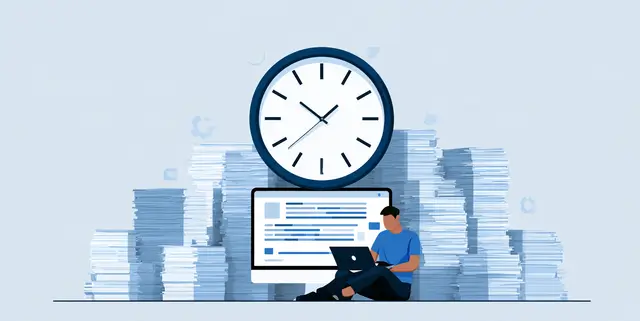
Many people notice this dependence in ordinary moments. If the phone battery dies, some people feel lost. If the internet goes down, work may stop. If a navigation app fails, many drivers no longer know which way to turn. These are small examples, but they reveal a larger truth: we have handed many everyday skills to machines. That is not always bad. It can save time and reduce mistakes. But when convenience becomes habit, and habit becomes reliance, we may slowly lose confidence in our own abilities.
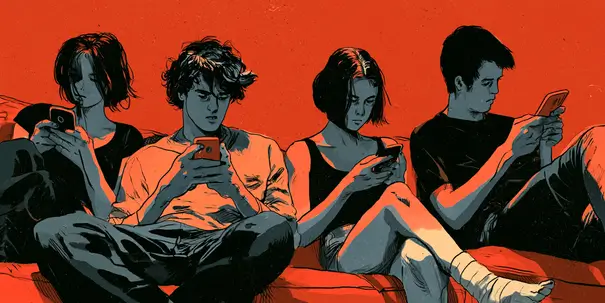
One concern is attention. Technology is designed to keep us engaged. Notifications, alerts, and endless feeds can pull our focus in many directions. For younger people, this may shape how they learn and communicate. For older adults, it can be confusing or overwhelming. In both cases, the result can be the same: less quiet time, less patience, and less space for reflection. A life filled with constant digital noise can make it harder to think deeply or rest fully.
Another concern is memory. We no longer need to remember phone numbers, directions, birthdays, or even tasks, because our devices do it for us. This is helpful, of course. But memory is more than storage. It is part of identity, experience, and judgment. When we rely too heavily on devices for memory, we may weaken our own sense of recall and personal organization. The mind, like the body, stays strongest when it is used regularly.
There is also the issue of trust. As technology becomes more advanced, people often trust it without fully understanding it. Many use apps, algorithms, and artificial intelligence every day without knowing how decisions are made. This can be useful, but it can also create a quiet problem: when we do not understand the tools we depend on, we may not notice their limits. A machine can be fast and smart, but it can still make errors, miss context, or reflect hidden bias. Blind trust is risky in any age.
Still, it would be a mistake to treat technology as the enemy. The same tools that can distract us can also support us. Technology helps people with disabilities live more independently. It connects families across oceans. It gives farmers better information, doctors better tools, and students access to knowledge that would once have been out of reach. During emergencies, technology can save lives. For many people, it is not a source of weakness but a bridge to opportunity.
The real challenge is not whether technology should exist. It is how we should live with it. A healthy relationship with technology means using it with purpose rather than habit. It means asking simple questions: Do I need this right now? Is this tool helping me, or controlling me? Am I still practicing the skills I may need if the device fails? These are not old-fashioned questions. They are practical questions for the future.
As artificial intelligence becomes more common, this question grows even more important. AI can write, speak, search, summarize, and recommend. In time, it may help manage homes, healthcare, transport, and work itself. This could lead to a world that is safer, faster, and more efficient. But it could also lead to a world where people stop learning basic skills because machines do so much for them. That would be a historic shift. In the past, tools extended our hands. Now they are beginning to extend our minds. That brings great promise, but also a need for wisdom.
The best path forward is balance. We should welcome technology, but not surrender to it. We should use it, but also know how to function without it. We should let machines handle what they do best, while protecting the human abilities that matter most: judgment, memory, attention, empathy, and common sense. These qualities are not outdated. They are the foundation of a strong life and a strong society.
So, are we becoming too dependent on technology? In some ways, yes. But dependency is not destiny. We can choose a better relationship with the tools we create. If we stay aware, teach children practical skills, limit unnecessary screen time, and keep learning how to think and act independently, technology can remain a servant rather than a master. That may be the great task of our era: to enjoy the power of machines without forgetting the strength of being human.