



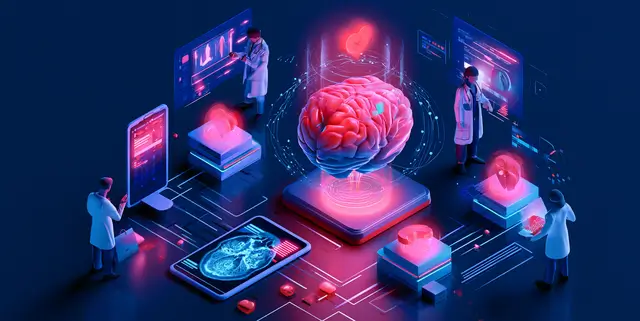
Artificial intelligence is becoming a bigger part of healthcare, and many people are hopeful about what it can do. In hospitals, clinics, and research labs, AI is helping doctors spot problems earlier, support decisions, and manage large amounts of medical data. That can mean faster treatment and, in some cases, saved lives. But it is worth asking hard questions too: Who benefits most? Who might be left out? And how do we make sure these tools are safe, fair, and private?
One of the most promising uses of AI is in reading medical images. Computers can be trained to look at X-rays, CT scans, MRIs, and other images to find signs of disease. In some cases, AI can help notice tiny patterns that are easy for humans to miss, especially when doctors are tired or dealing with a heavy workload. This does not mean AI replaces a doctor. Instead, it acts like an extra set of eyes. When used carefully, that extra help can lead to earlier detection of cancer, heart problems, lung disease, and other serious conditions.
AI is also helping doctors make faster decisions in emergency rooms. A patient arriving with chest pain, trouble breathing, or signs of a stroke needs quick attention. AI systems can sort through records, test results, and vital signs to flag people who may be in immediate danger. This can help medical teams respond sooner. In time-sensitive cases, minutes matter. A quicker response may reduce damage and improve the chance of recovery.
Another important use is in predicting risk. AI can study large amounts of patient information and look for patterns that suggest someone is likely to get worse. For example, it may help identify patients who are at risk of infection, readmission to the hospital, or complications after surgery. This kind of warning can help care teams step in earlier with treatment, closer monitoring, or extra support. Still, we should be careful: a prediction is not a fact. If the data is incomplete or biased, the system may make unfair assumptions about certain groups of people.
AI is also speeding up medical research. Finding new medicines often takes many years and a great deal of money. AI can help researchers search through possible drug combinations, study how molecules behave, and identify promising treatments faster than older methods alone. This could lead to new therapies for diseases that are hard to treat. But people should not assume that faster always means better. New tools must still be tested carefully to make sure they are safe and truly helpful.
In daily hospital work, AI can reduce some of the paperwork that takes up staff time. It may help organize records, summarize notes, and handle routine tasks. That can give doctors and nurses more time to focus on patients. Many healthcare workers welcome anything that reduces stress and burnout. At the same time, there is a real concern that hospitals may use AI mainly to cut costs or reduce staff instead of improving care. The goal should be better care, not just faster work.
There are also serious privacy questions. Medical data is deeply personal. AI systems often need large amounts of patient information to learn and work well. That raises concerns about who can access the data, how it is stored, and whether it could be misused. People may not realize how much information is being shared behind the scenes. Hospitals and technology companies should be clear about what data they collect, why they need it, and how patients can give informed consent.
Bias is another major issue. If an AI system is trained mostly on data from one group of people, it may not work well for others. For example, a tool may be less accurate for older adults, women, people of color, or patients from poorer communities if those groups were not represented fairly in the training data. In healthcare, even a small bias can have serious consequences. That is why AI systems must be checked across many different patient groups before they are widely used.
There is also the question of trust. Many patients want to know whether a human doctor, a computer system, or both are making decisions about their care. AI should not become a hidden force inside healthcare. Patients deserve honest answers. If AI helps shape a diagnosis or treatment plan, that should be explained in plain language. People should also have a way to question a result if something does not feel right.
Some experts say AI will soon transform medicine completely. That may be too much hype. Real healthcare is messy, personal, and full of edge cases that computers do not understand well. A patient is not just a set of numbers. Fear, pain, family history, living conditions, and personal values all matter. The best use of AI is likely to be as a support tool that helps skilled professionals make better decisions, not as a substitute for human judgment.
Even with its limits, AI already shows real promise. It can help find disease earlier, support overworked teams, speed up research, and improve patient monitoring. These are important gains. But saving lives should not come at the cost of fairness, privacy, or accountability. The challenge is not whether to use AI in healthcare, but how to use it wisely. That means strong testing, clear rules, human oversight, and constant attention to the people behind the data.
In the end, the best healthcare technology is not the one that sounds most impressive. It is the one that helps real people safely, fairly, and with dignity.