









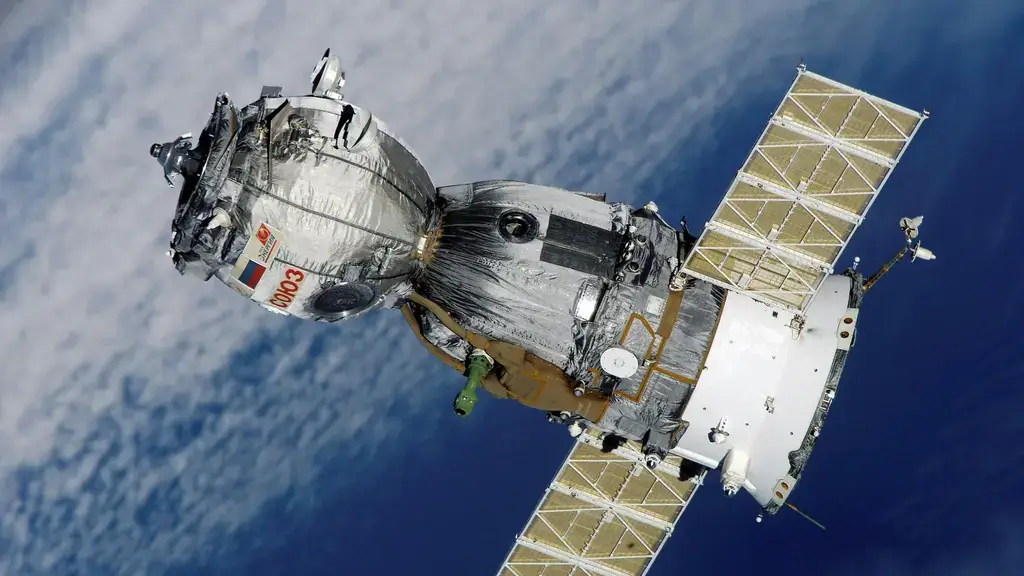
Technology is moving at an incredible pace, and recent events have marked a new milestone in this journey. For the first time ever, a robot has successfully communicated directly with a satellite, opening up a world of possibilities for future advancements in space and communication technology.
The Event Unfolds
This groundbreaking event happened when a robot equipped with advanced communication systems established a connection with a satellite orbiting the Earth. The robot, designed with the latest in artificial intelligence and communication technology, was able to send and receive information directly to and from the satellite without any human intervention. This achievement is a testament to the leaps and bounds that technology has made in AI and robotics.
Why This Matters
Direct communication between robots and satellites can revolutionize the way we handle data transmission in space. Currently, most communication involves ground stations acting as intermediaries between satellites and other devices. However, with robots directly communicating with satellites, we can speed up the process of data collection and dissemination. This means more efficient operations, quicker data access, and the potential for greater autonomy for robots both in space and here on Earth.
Potential Applications
The successful communication between the robot and satellite can lead to many practical applications:
- Space Exploration: Robots can explore planets and send data directly to satellites, relaying their findings back to Earth without delays.
- Disaster Management: Satellites could provide real-time data to ground robots, enhancing their ability to respond to natural disasters.
- Environmental Monitoring: Robots can gather environmental data and communicate it instantly, allowing for quicker responses to climate-related issues.
Challenges Ahead
Despite this significant progress, there are still challenges to overcome. Ensuring secure and dependable connections between robots and satellites is crucial to prevent potential interference or data breaches. Moreover, creating sustainable power sources to keep these communications running smoothly in space’s harsh environment is another hurdle.
What’s Next?
Following this success, researchers and engineers are looking to enhance the technology further. The aim is to make communication systems even more robust and capable of handling more data at faster speeds. Future developments might include refining the technology for use in personal devices or expanding it to include more satellites and different types of robots.
As technology continues to evolve, the possibilities seem endless. This breakthrough is only the beginning of what could be a transformative era in space communication and robotics. Elderly and non-tech savvy readers might find it reminiscent of science fiction turning into reality, but as this event shows, the future truly is now.