









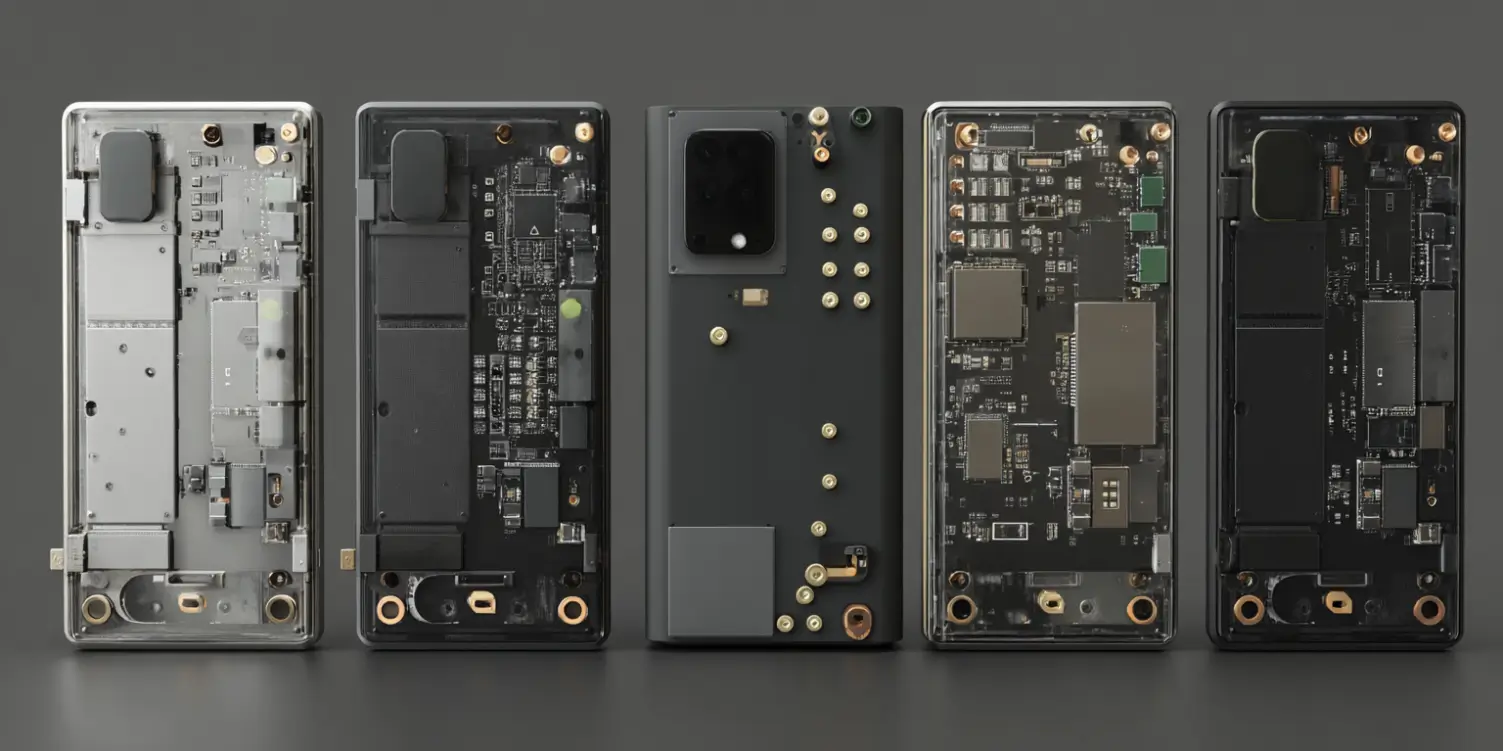
Modular smartphones are making headlines again, rekindling an idea that first caught the public’s imagination years ago. But what exactly are modular smartphones, and why are they becoming popular once more?
In essence, a modular smartphone is like a jigsaw puzzle for technology enthusiasts. Instead of buying a whole new phone when an upgrade is needed, users can replace or add specific parts or “modules” according to their needs. These parts include cameras, batteries, and even processors, allowing for a highly personalized and sustainable gadget.
The Initial Hype and Challenges
A few years ago, modular smartphones were touted as the next big thing. Companies like Google with Project Ara and LG with their G5 model generated significant buzz. The idea was fresh: empower consumers to update or repair their smartphones independently, reducing e-waste and extending product life.
However, the modular concept faced hurdles. High costs, limited module compatibility, and intricate designs led to consumer hesitance. As a result, some companies shelved their projects, focusing instead on developing more traditional designs.
What’s Driving the Comeback?
Despite past challenges, modular smartphones are staging a comeback for several reasons:
-
- Environmental Concerns: The rise in environmental awareness has pushed manufacturers and consumers to seek more sustainable options. Modular phones reduce the need for frequent replacements, lessening electronic waste.
- Technological Advances: Improved technology now allows for more seamless integration of modular components, enhancing user experience and reliability.
- Customization and Personalization: Today’s consumers crave personalized experiences. Modular phones offer unprecedented customization, enabling users to tailor devices according to specific needs, whether it be superior photography, longer battery life, or more robust storage capabilities.
<
Current Innovations and Prototypes
New prototypes are embracing lessons learned from past attempts, with companies like Fairphone and F(x)tec leading the charge.
Fairphone, for example, emphasizes ethical production and sustainability. Their latest model provides an easily replaceable battery and upgraded camera module, promoting longevity and ease of repair.
In a similar vein, F(x)tec is exploring innovative designs that incorporate sliding keyboards and customizable features, appealing to niche markets seeking functionality over fashion.
The Future of Modular Smartphones
The resurgence of modular smartphones paints an exciting future for mobile technology. These devices not only offer environmental benefits but also enhance user satisfaction with tailored experiences.
As the technology continues to mature, it’s plausible to expect greater adoption across different consumer demographics. Manufacturers are likely to offer more compatible modules, seamless designs, and possibly, more affordable options to attract a wider audience.
While it remains to be seen if modular smartphones will dominate the mainstream market, their return signifies a shift in consumer priorities towards sustainability and unique personal experiences. As such, they could very well become a crucial part of the mobile ecosystem in years to come.