









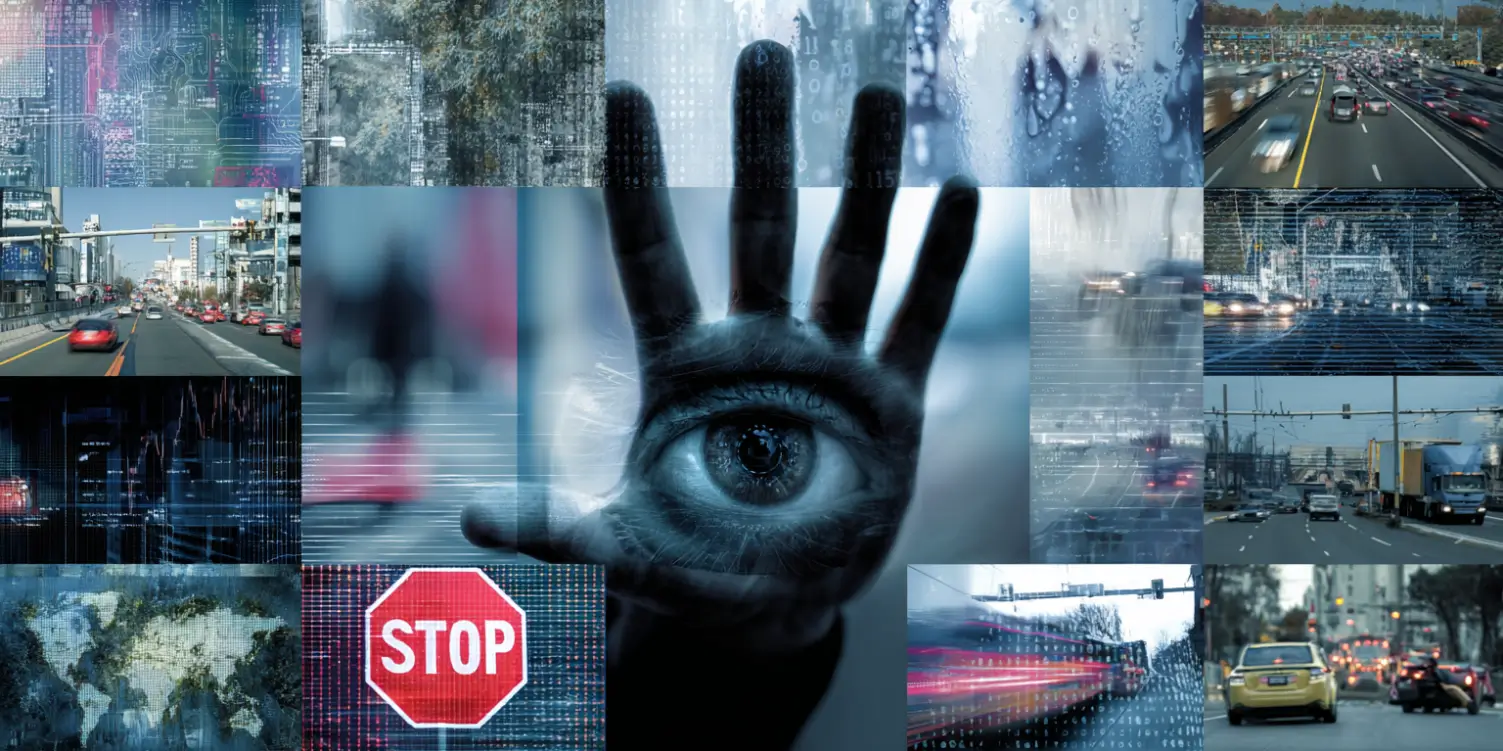
In recent years, artificial intelligence (AI) has become a prominent part of our daily lives, influencing various sectors from healthcare to finance. While much of the early focus was on improving the accuracy of AI systems, there’s a growing understanding that security is becoming even more crucial. Let’s explore why the security of AI systems is taking precedence over accuracy in their development and deployment.
The Rise of AI in Everyday Life
AI technologies are being integrated into numerous applications that affect our everyday activities. From virtual assistants like Alexa and Siri to smart home systems and autonomous vehicles, AI’s reach is expanding rapidly. Initially, developers primarily worked on refining algorithms to make these systems work better—enhancing their accuracy to ensure they could perform tasks reliably.
Accurate AI systems can translate languages, detect patterns, or predict trends with astounding precision. However, as these systems have evolved and become more ingrained in critical operations, concerns about their security have surfaced. Security here refers to the protection against unauthorized access and malicious use.
The Importance of AI Security
Imagine a smart city infrastructure controlled by AI. If such a system were compromised, it could have dire consequences, affecting power grids, water supplies, and even emergency services. This potential threat is why AI security is being prioritized. Ensuring AI systems are resistant to threats, such as cyber attacks, is essential for maintaining trust and safety.
Another crucial aspect is data privacy. AI systems often rely on vast amounts of data, some of which can be sensitive—like health records or personal financial information. Ensuring this data is kept secure from breaches is imperative to protect individuals’ privacy and prevent exploitation.
Threats to AI Security
Several threats highlight the importance of AI security:
- Adversarial Attacks: These are inputs designed to confuse AI systems. For example, small changes in an image can lead an AI to misclassify it entirely. This can be problematic in scenarios like autonomous driving, where an altered stop sign could be ignored by a self-driving car.
- Data Poisoning: By manipulating the data with which an AI system is trained, attackers can cause it to learn wrong or harmful information.
- Unauthorized Access: Hackers might gain entry into AI systems to steal data or disrupt services. Securing these systems against unauthorized access is crucial.
- Privacy Breaches: The mishandling or theft of sensitive data used by AI can lead to privacy violations and loss of trust among users.
Balancing Accuracy and Security
While accuracy remains important for AI systems, finding a balance between security and accuracy is critical. Developers need to ensure that their systems are not only accurate but immune to attacks and tampering. This might involve building robust security frameworks and continuously monitoring for potential vulnerabilities.
Moreover, regulatory bodies are beginning to step in, setting guidelines and standards for AI security. These standards are designed to protect consumers and ensure that AI systems are developed responsibly, keeping both accuracy and security in mind.
AI Security
As AI continues to grow in capability and influence, its security will only become more important. Researchers and engineers are working on innovative solutions to protect AI systems, such as developing more resilient algorithms and employing AI to monitor and defend against threats.
Users also play a role in this. Understanding the potential risks and taking steps to secure their devices can help. For example, using strong passwords, enabling two-factor authentication, and keeping software up to date can prevent unauthorized access to AI-powered devices.
Ultimately, a collaborative effort is required to advance AI security. By prioritizing security alongside accuracy, we can harness the full potential of AI safely and responsibly, opening the door to a future where individuals and societies can benefit from AI without undue risk or fear.