









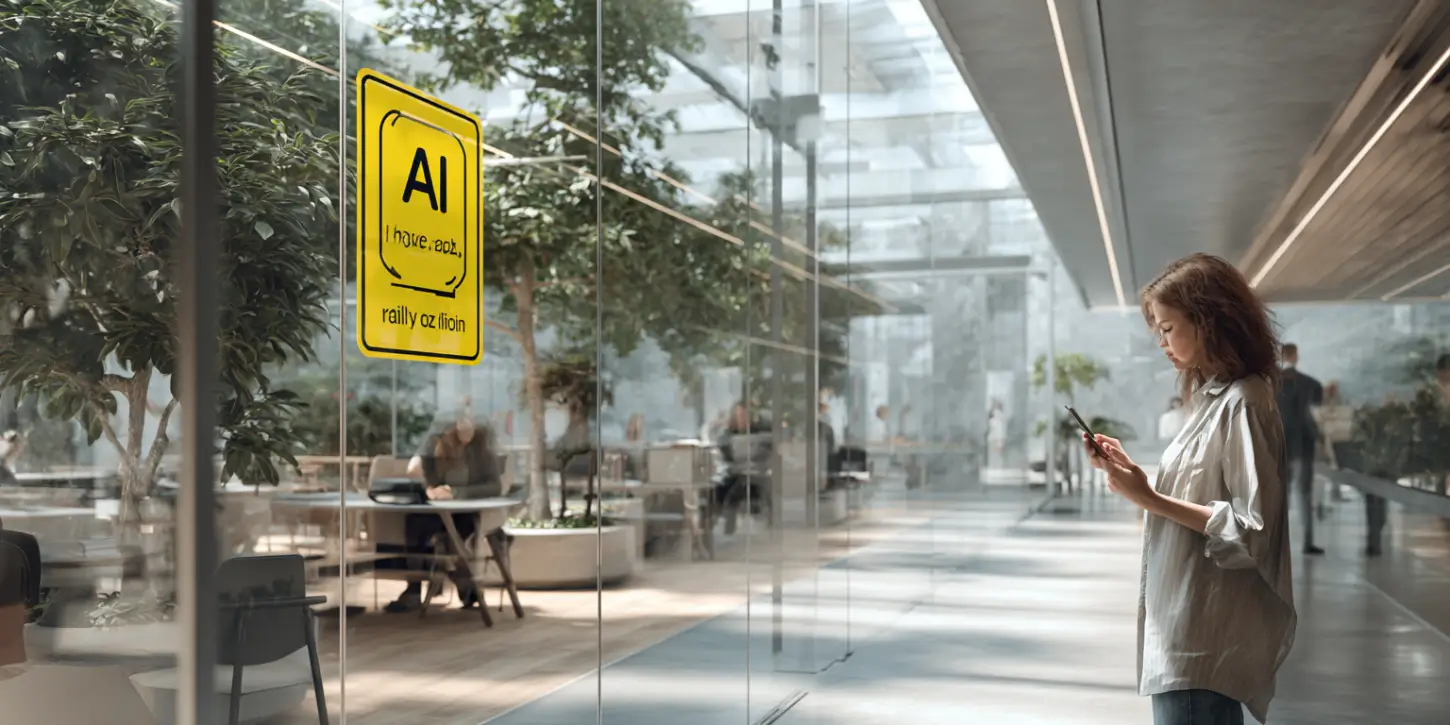
In recent years, artificial intelligence (AI) has become a significant part of our daily lives, offering conveniences and efficiencies that were once unimaginable. From smart assistants on our phones to AI-driven customer service, these technologies are transforming the way we live and work. However, amid this rapid adoption, a new trend is emerging—AI-free zones in workplaces and public spaces. But why would anyone want to create spaces free of AI?
Providing a Human Touch
One of the primary reasons for establishing AI-free zones is to ensure that human interactions remain at the forefront. In workplaces, especially in customer service, there’s a growing recognition that no machine can fully replace the personal touch, empathy, and understanding of a human being. AI can often handle repetitive tasks efficiently, but when it comes to nuanced human communication, the warmth of human interaction is irreplaceable.
Ensuring Privacy
Another compelling reason for AI-free areas is to safeguard privacy. AI systems often use cameras and microphones, inadvertently capturing more data than expected. In such environments, employees and the public may find it challenging to feel secure and comfortable. AI-free zones offer reassurance by ensuring no data is unknowingly collected, providing peace of mind for private conversations and confidential meetings.
Encouraging Creativity and Deep Thinking
In places like brainstorming rooms or art studios, businesses are noticing that people thrive better without technological interference. AI technologies, while useful, might limit out-of-the-box thinking by suggesting predictable solutions. By creating spaces devoid of AI, companies encourage employees to explore their creativity and engage in deep thinking without relying on algorithms.
Balancing Technology Use
As AI becomes more integrated into daily routines, maintaining a balance between technology use and human interactions is essential. AI-free zones promote taking breaks from screens and automated systems, which can foster better communication, reduce stress, and improve mental health. Such zones help individuals disconnect and recharge, something that is increasingly important in today’s fast-paced digital world.
In summary, AI-free zones in workplaces and public areas are growing in popularity as a means to preserve the essence of human interaction, protect privacy, boost creativity, and ensure a healthy balance in the use of technology. While AI continues to shape our future, these areas remind us of the timeless value of human presence and interaction.