









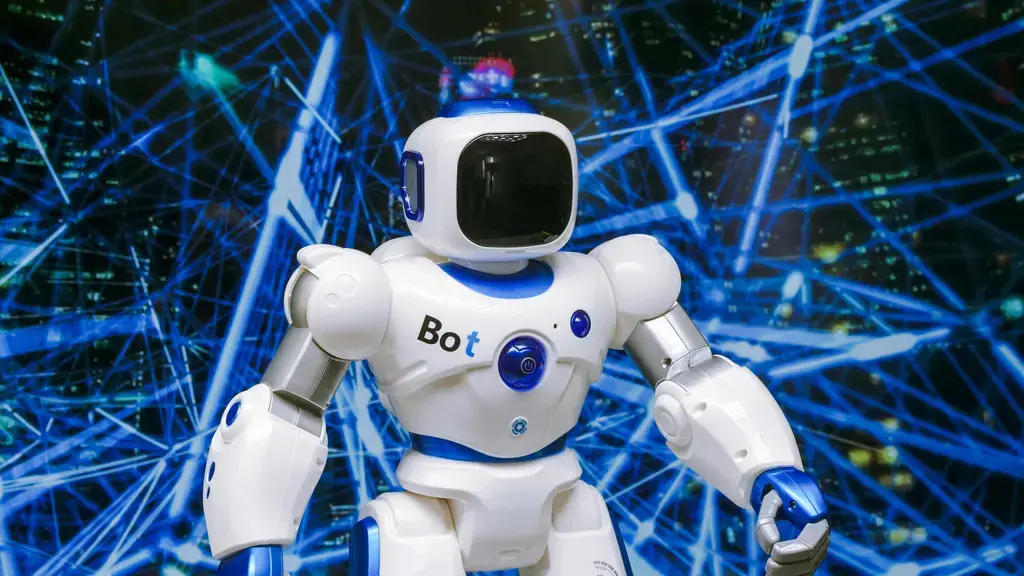
Artificial Intelligence, commonly referred to as AI, has revolutionized many aspects of our lives. One of the most significant changes is its impact on the workforce. Over recent years, AI technology has advanced in leaps and bounds, leading to the creation and introduction of AI robots in various industries. Unlike the robots we envision from science fiction movies, these AI robots are sophisticated machines capable of handling complex tasks traditionally performed by humans.
The Rising Presence of AI Robots
AI robots are increasingly seen in industries such as manufacturing, healthcare, logistics, and even customer service. These machines are specially designed to perform tasks more efficiently and accurately than their human counterparts. As a result, many companies are investing heavily in AI technology, which has led to a significant rise in the number of AI robots in workplaces worldwide.
Why Are AI Robots Taking Over?
There are several reasons why companies are opting for AI robots over human workers:
- Efficiency: AI robots can operate around the clock without breaks, unlike humans who need rest and downtime. This continuous operation increases productivity.
- Accuracy: AI robots are less prone to errors, especially in tasks that require precise calculations and consistent execution.
- Cost-effectiveness: Though the initial investment in AI technology can be high, the long-term savings on labor costs make it a financially viable option for companies.
- Adaptability: With machine learning capabilities, AI robots can learn from data, improving their performance over time and adapting to new tasks.
The Implications for Human Workers
The increasing number of AI robots presents a challenge for the labor market. As more tasks become automated, there is a concern regarding the displacement of human workers. This shift could lead to job losses, particularly in sectors where routine and repetitive tasks are prevalent.
However, it’s important to note that while some jobs may disappear, new opportunities are emerging. As AI technology evolves, there is a growing demand for roles related to the development, maintenance, and management of these intelligent systems.
Adapting to the New Workforce Dynamic
As AI robots continue to make their mark, it’s crucial for human workers to adapt and find ways to stay relevant. One strategy is to focus on skills that AI cannot easily replicate—such as creativity, empathy, and complex problem-solving. Pursuing education and training in technology-driven fields can also provide a competitive edge.
Moreover, companies and policymakers must work together to create support systems that enable a smooth transition. This includes investing in reskilling and upskilling programs to help workers adapt to the changing employment landscape.
In conclusion, while the rise of AI robots presents challenges, it also offers opportunities for growth and innovation. By understanding the potential of AI and preparing for the changes it brings, we can navigate this new era of work successfully.