









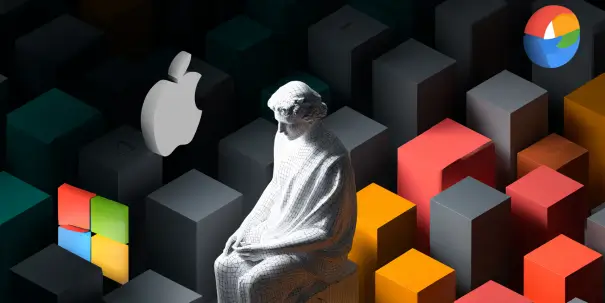
In today’s digital world, artificial intelligence (AI) is becoming an essential part of our daily lives, powering everything from virtual assistants to automated vehicles. However, one of the most significant ongoing discussions in the tech community is the divide between open-source and closed AI ecosystems. This topic may seem complicated, but it’s quite fascinating and has important implications for everyone.
What are Open-Source and Closed AI Ecosystems?
To put it simply, open-source AI means that the software, tools, or models are freely available for anyone to use, modify, and distribute. Think of it as a community project where everyone can contribute, like a potluck dinner where each person brings a dish to share.
On the other hand, closed AI ecosystems are proprietary. This means that the software or tools are owned by companies and you need permission, often in the form of paid licenses, to access or use them, similar to dining at a restaurant where you pay for each meal.
Benefits and Challenges of Open-Source AI
Open-source AI has many benefits. It encourages collaboration and innovation. Developers across the globe can improve upon each other’s work, leading to faster advancements. For example, successful open-source projects like TensorFlow and PyTorch have become industry standards due to their collaborative nature.
However, open-source AI also has its challenges. Since it’s available to anyone, it may not always be as secure as closed software. Additionally, it might lack the support and resources that larger companies can offer, which can sometimes hinder its development and deployment.
Advantages and Limitations of Closed AI Ecosystems
Closed AI ecosystems offer more control for the companies that develop them. This often means better security and dedicated customer support. Companies like Google, Apple, and Microsoft invest heavily in closed AI systems to ensure their products are reliable and user-friendly.
Nevertheless, these systems can also be limiting. They can be expensive and restrict the creativity of developers who cannot view or modify the AI source code. It can also contribute to the digital divide by making cutting-edge technology less accessible to small businesses or individuals.
The Growing Divide
The divide between open-source and closed AI ecosystems is growing as businesses and communities continue to weigh the pros and cons of each approach. Smaller companies and individual developers often gravitate toward open-source solutions because of their low cost and flexibility. In contrast, larger corporations may prefer closed ecosystems to maintain control and ensure their competitive edge.
This divide impacts not only the tech industry but also the users who rely on AI technologies. It’s crucial for users to understand these ecosystems as they consider what products to use and support.
Ultimately, both open-source and closed AI ecosystems have their place in the industry. The key is finding the right balance that leverages the benefits of both approaches to drive innovation and improve technology for everyone.