









Reaching for the Stars in Data Storage
Have you ever wondered what happens when you store a photo or video on your phone? That data needs to be saved somewhere, usually in what we call a “data center.” Traditionally, these data centers are large warehouses filled with computer servers here on Earth. But now, scientists and engineers are looking to the skies and considering a revolutionary concept: space-based data centers.
Why Space?
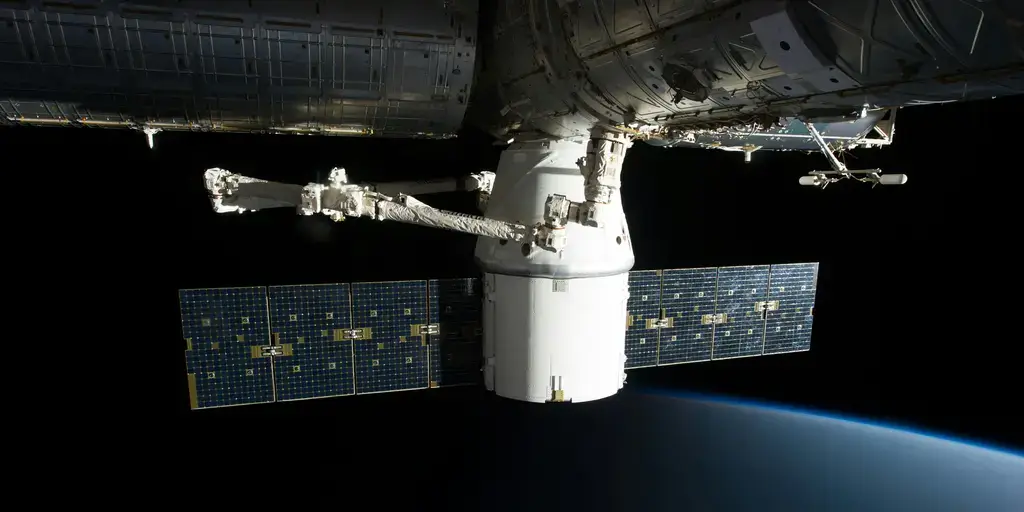
The idea might sound like science fiction, but putting data centers in space could solve some significant problems. Earth-based centers need a lot of electricity, cool air, and lots of land. They generate heat, which requires cooling systems to keep the servers from overheating. This means energy consumption is a big issue. In space, the cold vacuum can naturally help with cooling, and the sun is an abundant and renewable energy source.
The Benefits of Zero Gravity and Vacuum
Data centers in space would benefit from the zero-gravity environment. In space, servers aren’t limited by gravity, which can improve the durability of equipment and potentially extend the lifespan of hardware. The vacuum of space also means there is less risk of the hardware getting dusty or dirty, which can be a problem here on Earth.
Solar Power and Sustainability
Operating data centers in space would utilize solar power extensively. The sun’s energy can be harnessed efficiently with solar panels, reducing reliance on fossil fuels. This makes space-based data centers an attractive option for environmentally conscious companies, as they could significantly reduce the carbon footprint associated with traditional energy consumption of Earth-based data centers.
Challenges to Overcome
While the idea is promising, there are still challenges to overcome. Building and launching data centers into space would require significant investment. Rockets and satellites don’t come cheap! Additionally, we would need reliable ways to handle potential problems like hardware malfunctions, maintaining communication with space-based servers, and ensuring data protection from solar radiation.
Communication Considerations
One of the critical aspects would be maintaining fast and reliable communications between Earth and these space-based data centers. Delays could impede real-time data processing and retrieval. Engineers would need to develop advanced communication technologies to ensure data is transmitted swiftly and securely.
Future Prospects
The concept of space-based data centers is still in its early days, but the potential is exciting. As technology advances and we begin to better understand and overcome the challenges, we might see this idea come to life in the not-too-distant future. Such innovations could pave the way for more space-related projects and perhaps open new business opportunities and technological advancements.
In the meantime, it’s intriguing to think about how far technology will take us as we continue to reach for the stars, not just in exploration, but in ways we manage and store our growing volumes of data.