









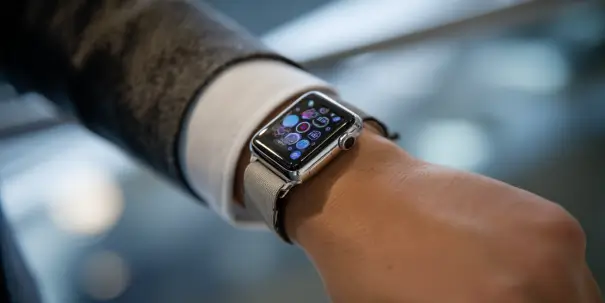
In the realm of wearable technology, both smart rings and smartwatches have garnered significant attention. These devices are designed to help monitor our health, track our activity, and keep us connected. But which one offers better accuracy? Recent research sheds light on this topic, providing interesting insights.
The Rise of Wearable Technology
Over the past decade, wearable technology has become increasingly popular. Devices like smartwatches and smart rings are no longer merely luxury gadgets; they have grown to be helpful tools in managing daily activities and monitoring health. Both types of wearables offer advantages, but they also come with their own set of limitations.
What the Research Says
Recent studies have explored how accurately these devices track health metrics like heart rate, steps, and sleep patterns. While smartwatches have been around longer and have more data-backed features, smart rings are emerging as a competitor with their own strengths.
Accuracy in Heart Rate Monitoring
Both smart rings and smartwatches offer heart rate monitoring, but research indicates there may be some differences. Smartwatches, which sit on the wrist, can sometimes be affected by arm movements and position. This can lead to slight inaccuracies. On the other hand, smart rings, worn on the finger, potentially offer more stable readings because they sit close to the skin and move less during physical activities.
Step Tracking Differences
One commonly used feature is step counting. Smartwatches typically have the upper hand when it comes to step tracking, given their larger size and more advanced sensors. They track movement through the arm’s swing, which might not always accurately reflect steps if the wearer moves their arms in a non-walk-related activity. Smart rings, although generally reliable, might miss some steps due to their compact form.
Monitoring Sleep Patterns
Monitoring sleep has also seen varied results between these devices. Smart rings tend to be more comfortable to wear during sleep, and many users report better sleep tracking results. They can continuously monitor throughout the night without causing discomfort, unlike bulkier smartwatches. This can lead to more accurate and reliable sleep data.
User Preference and Lifestyle
The choice between a smart ring and a smartwatch often comes down to personal preference and lifestyle. If you prefer a device that is lightweight and less intrusive, a smart ring might be ideal. Those who want additional features like a large display, GPS, or the ability to handle more complex notifications might lean towards a smartwatch.
While smart rings and smartwatches each have their strengths, it’s essential to choose the device that best fits your lifestyle and needs. Both are continuing to evolve, offering more accurate and user-friendly experiences. As technology advances, we can expect even more breakthroughs in wearables that enhance our daily lives.