









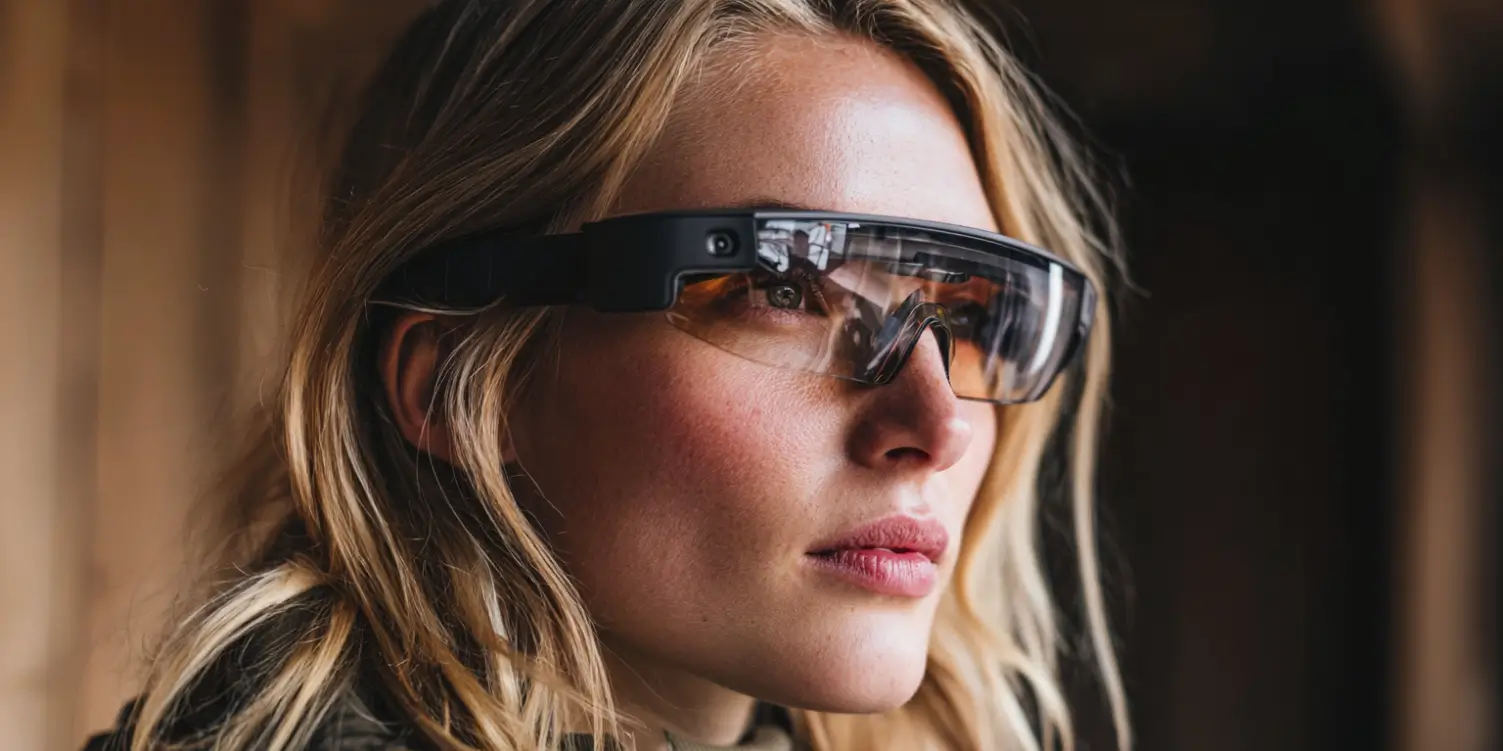
Technology is always evolving, and every now and then, a new product comes along that changes the way we interact with our world. Recently, Samsung has hinted at a fascinating concept: smart glasses that could one day replace the screens we’re so used to, like our TVs, laptops, and phones. These glasses are expected to come with advanced features like AI integration and eye-level cameras.
A New Era of Viewing
Imagine wearing a pair of glasses and being able to watch your favorite TV show, catch up on a news article, or join a video call without needing a separate screen or device. This is the potential of Samsung’s smart glasses. By using augmented reality (AR), these glasses would project images directly into your view, merging digital experiences with the real world around you.
For elderly individuals who may find it challenging to manage multiple devices or for those not very tech-savvy, this could simplify technology use. Rather than moving from one screen to another or dealing with complex remotes, users could simply wear these glasses to access all digital content seamlessly.
AI at the Core
Artificial Intelligence, or AI, is a technology that helps systems make decisions or predictions based on data. In the context of Samsung’s smart glasses, AI could play a crucial role. The glasses might be able to adjust the brightness or contrast of the image based on your surroundings, ensuring you always have a clear view without straining your eyes.
Moreover, AI could assist in translating languages in real-time, reading text out loud, or even suggesting content that you might enjoy based on your viewing habits, all while you simply wear the glasses. It’s like having a very smart assistant right in front of your eyes!
Seeing the World with Eye-Level Cameras
Another exciting feature of these potential smart glasses is the inclusion of eye-level cameras. These cameras would allow the glasses to see just as you do, opening up numerous possibilities. For instance, you could capture special moments or record experiences from your perspective, much like how you see them.
This feature is particularly beneficial for video calls, as it would feel more personal. You would be looking directly at the camera, giving the person on the other end the impression that you are maintaining eye contact—a subtle, yet important aspect of communication that current technologies often miss.
The Convenience Factor
One of the key benefits of Samsung’s smart glasses, if and when they become available, is the convenience they could offer. They would aim to reduce the clutter in our lives by potentially replacing several gadgets we use daily. No need to carry your phone for GPS, your tablet for reading, and your camera for pictures. These smart glasses could combine all these functions into one device.
Imagine being on a holiday and not worrying about lugging around multiple devices or missing a perfect photo moment because your phone is in your bag. These glasses could handle it all, quite literally through the user’s eyes.
Potential Challenges
As with any new technology, there are challenges to overcome. Battery life, for instance, is a common concern with wearable tech. Ensuring that the glasses have enough power to offer all these features throughout the day is vital.
Privacy and security are other significant considerations. With cameras on the glasses capturing video and potentially sensitive data, safeguarding this information will be crucial. It will be important for companies like Samsung to ensure users’ data is protected and used responsibly.
Additionally, making the glasses comfortable and stylish is essential for widespread adoption. They need to be lightweight and fashion-forward, so people feel good wearing them out in public.
Overall, while Samsung’s smart glasses are not yet in stores, the concept is an exciting glimpse into the future of technology. If these smart glasses come to fruition, they could change how we interact with digital content dramatically, making it more personal, accessible, and enjoyable.