









Researchers have made a fascinating breakthrough by teaching human brain cells to play the classic video game Doom. This may sound like something out of a science fiction novel, but it’s a real development that could change the way we think about computing and artificial intelligence.
Understanding the Experiment
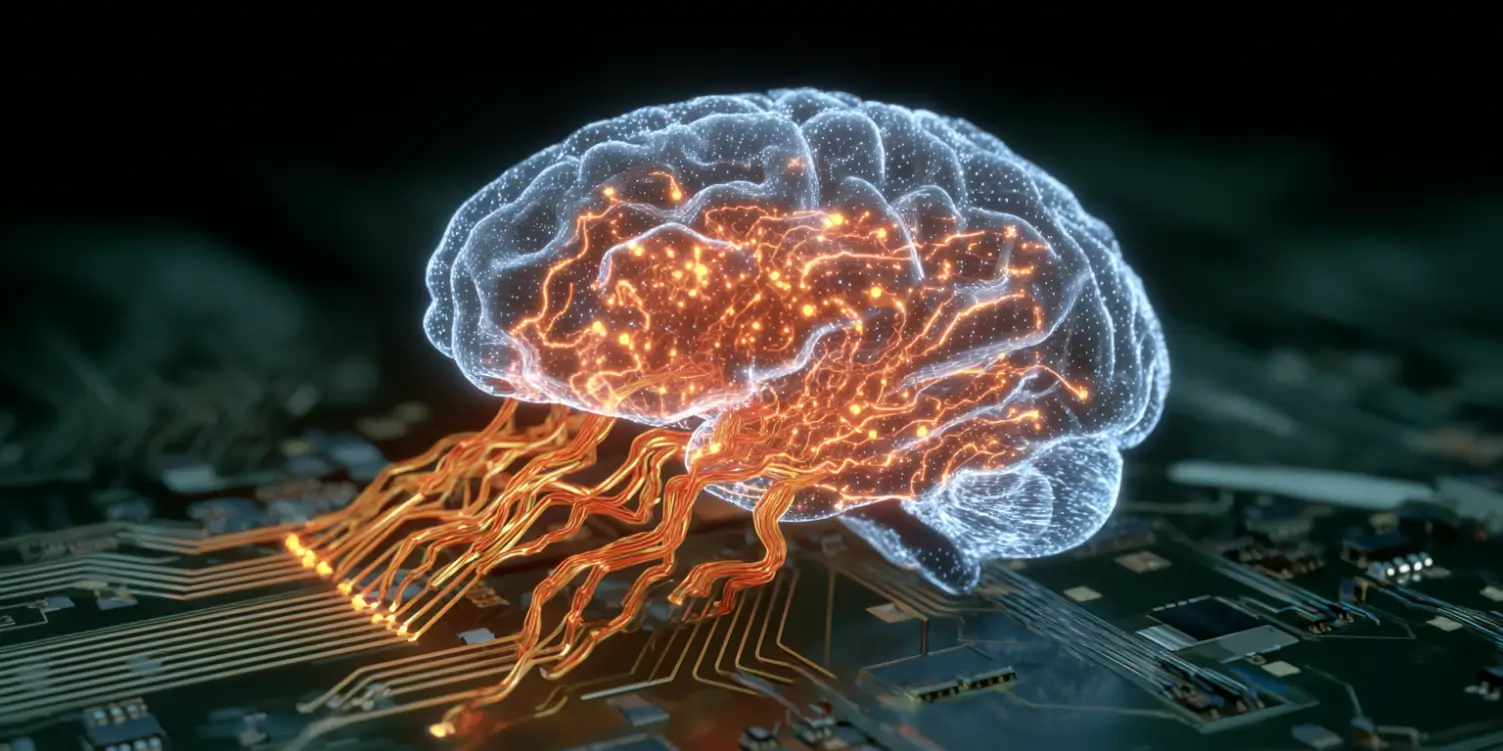
In this exciting experiment, scientists grew human brain cells on a specialized chip. These brain cells, or neurons, are the fundamental units of our nervous system and are capable of sending and receiving information. By connecting them with a computer interface, researchers created a platform where brain cells could interact with the game Doom.
The game Doom, a popular first-person shooter game from the 1990s, provided the human brain cells with a series of challenges to overcome. By learning to respond to the game’s stimuli, these brain cells demonstrated a form of rudimentary learning and adaptation.
How It Works
The process involves a bio-engineering technique where neurons are cultured on a chip equipped with electrodes. This setup allows the neurons to thrive outside the body and connect with electronic devices. The electrodes serve as bridges between the biological and digital worlds, enabling brain cells to send and receive signals.
In essence, the neurons on the chip were exposed to various patterns of electrical activity representing different game scenarios. Over time, the neurons adapted to the patterns by changing their activity in response, effectively “playing” the game.
Significance of the Achievement
This achievement has several important implications. First, it shows that brain cells can learn and adapt even when outside the human body. This capacity could open new doors for advanced artificial intelligence technologies where biological elements complement traditional computing systems.
Additionally, this breakthrough could lead to more sophisticated neural networks, which imitate how the human brain processes information. These networks have the potential to revolutionize fields such as medicine, robotics, and information technology by providing systems that can learn and adapt more naturally, just like human brains.
Potential for Medical Advances
The possibilities extend beyond artificial intelligence. This technology could have tremendous medical applications. For example, human brain chips could be developed to help patients with neurological disorders. Through enhanced biocompatibility with our nervous system, these chips may assist in repairing or replacing damaged neurons, offering hope for individuals with conditions like Alzheimer’s or Parkinson’s disease.
Moreover, understanding how neurons interact with digital systems can lead to the development of novel drugs or therapies to treat brain-related issues.
Ethical Considerations
As with any pioneering technology, there are ethical concerns to consider. The blend of human biology with computing raises questions about the extent to which we should integrate technology with our biology. As we advance, it is crucial to address these concerns carefully to ensure that we respect human rights and dignity.
Also, as this field grows, it will be important to maintain transparency about what can and cannot be achieved, demystifying the technology for the general public.