









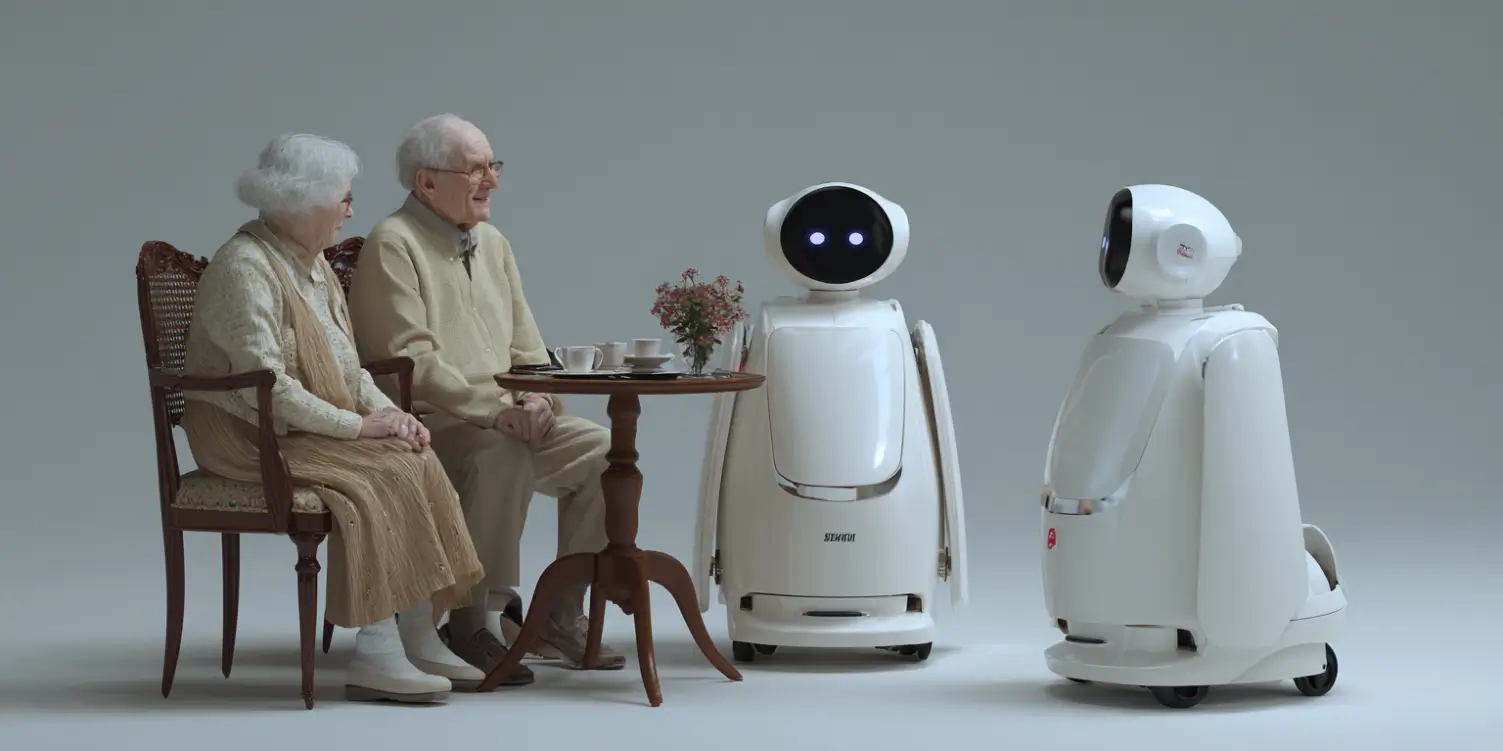
In recent years, technology has been increasingly woven into all aspects of our lives. One such advancement is the advent of household robots which are being developed to assist in elderly care. These robots are designed to make life easier, safer, and more comfortable for older adults, helping them maintain their independence for longer periods.
A New Hope in Elderly Care
Household robots offer a new wave of optimism for elderly care. They are created with features to help with daily tasks such as cleaning, reminding users to take their medication, and even providing companionship. Early real-world testing of these devices gives us a glimpse into their potential benefits and limitations.
How These Robots Help
These robots are equipped with sensors and cameras, allowing them to navigate homes safely and efficiently. Simple tasks such as vacuuming the floors, which might be physically taxing for the elderly, can be easily managed by these robots. Furthermore, some models are capable of more complex tasks like helping in food preparation or carrying small items from one room to another.
One of the most significant advantages of household robots in elderly care is their ability to remind their users to perform essential daily routines. For instance, they can alert a person when it is time to take their medicine or attend a doctor’s appointment. Some robots even have features that allow them to call emergency services if they detect a fall or other dangerous situation.
Early Testing Results
Initial tests with household robots in elder care have yielded promising results. Many elderly users have reported feeling more independent and less burdened with daily chores. Family members and caregivers also appreciate the peace of mind these robots can provide, knowing that their loved ones have an extra layer of support at home.
However, as with any new technology, there are challenges to overcome. Some elderly individuals find operating the robots challenging despite their user-friendly interfaces. It is crucial for manufacturers to ensure that the robots are intuitive and easy to use, so they can be seamlessly integrated into the daily lives of seniors.
Moreover, there have been concerns regarding privacy, as these robots often require cameras and internet connectivity to function effectively. Manufacturers are working on robust data protection measures to ensure the privacy and security of users are not compromised.
The Road Ahead
As these early tests continue, developers are collecting valuable feedback to refine and improve their designs. The ultimate goal is to create robots that can be trusted companions, offering not only functional support but also emotional comfort. Some robots are already incorporating interactive features that simulate friendly conversations, aiming to address issues like loneliness, which is a common concern among the elderly.
The vision for the future includes robots that can adapt to the changing needs of their users. As technology evolves, so will the capabilities of these robots, potentially including features like customized care plans and health monitoring.
Ultimately, while household robots for elderly care are still in the early stages of real-world application, the progress and potential they show are truly encouraging. With continuous advancements, they could become an indispensable part of elder care, helping older adults to live fuller, more independent lives.