









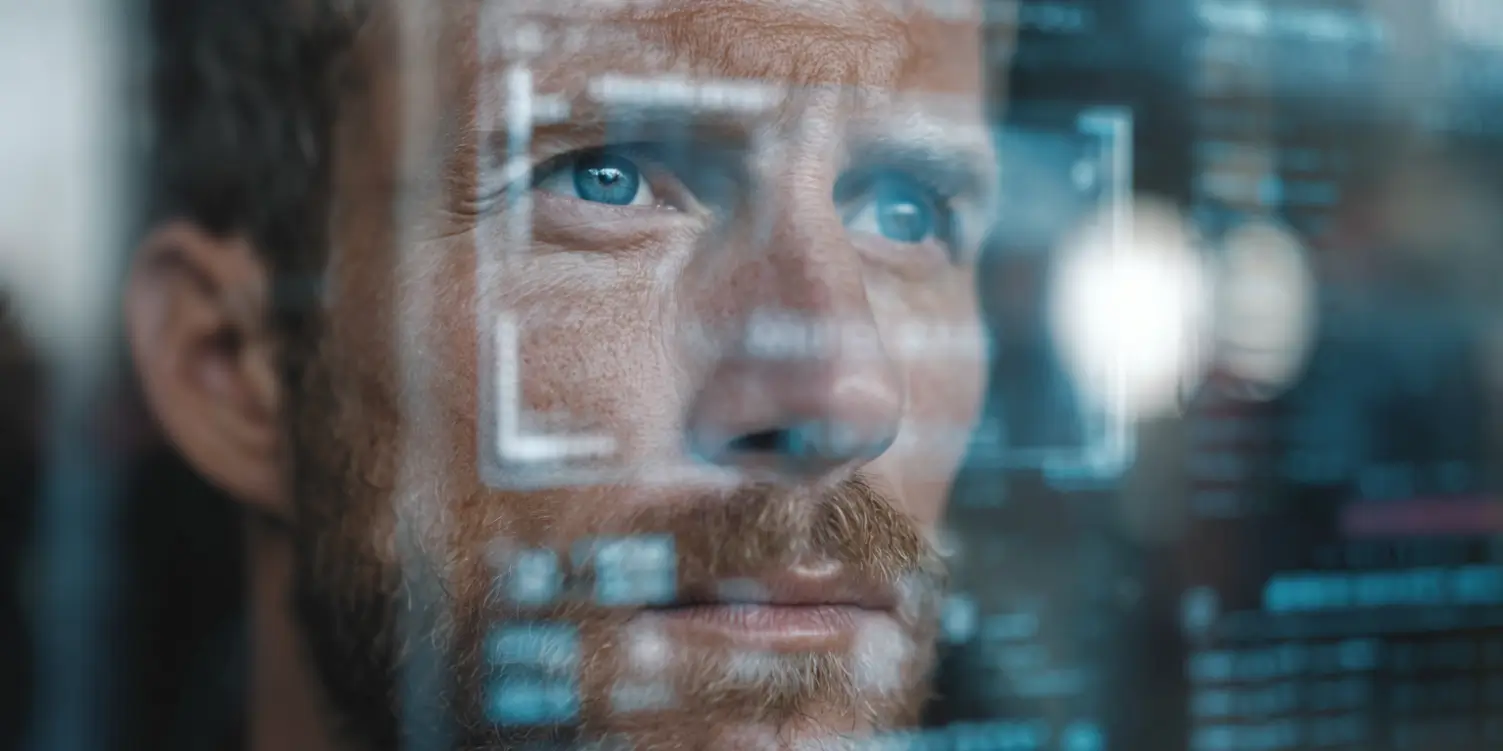
In recent times, “deepfakes” have become a subject of increasing concern. These digitally altered videos or audios are created by advanced artificial intelligence (AI) technology. While they are often associated with political misinformation, their impact extends far beyond politics. Today, we will explore how deepfakes pose a new crisis in the realm of identity verification.
What Are Deepfakes?
Deepfakes are created using AI techniques to convincingly replace one person’s likeness with another in videos or images. The term combines ‘deep learning,’ a form of AI, with ‘fake.’ The result is a piece of media that appears real, although it is entirely fabricated. At first glance, many of these media files appear authentic, which makes them particularly tricky to identify and counteract.
The Threat to Identity Verification
Identity verification is a crucial part of how we ensure privacy and security in various areas of daily life, from banking to online shopping to personal accounts. Traditionally, verification has involved passwords, security questions, and more recently, biometric data like fingerprints and facial recognition. However, deepfakes bring about new challenges that raise serious concerns.
Imagine a scenario where someone could create a video that looks and sounds just like you, authorizing a bank transaction or accessing private information. This scenario isn’t far-fetched and represents just one of the many potential threats from deepfakes in identity verification.
Potential Impacts and Concerns
- Financial Fraud: Deepfakes could be used to trick bank systems into verifying false identities, leading to potential financial loss.
- Social Engineering Attacks: Cybercriminals could create fake videos or audios to manipulate individuals into giving away private information.
- Reputation Damage: Falsified media can harm personal and professional reputations, causing distress and misunderstanding.
Efforts to Counter Deepfakes
Given these threats, companies and governments are starting to invest in detection technologies and strategies. New AI tools are in development to identify the subtle flaws present in deepfakes that the human eye might miss. Some of these tools focus on examining digital footprints and inconsistencies that would never appear in genuine recordings.
Furthermore, organizations are encouraged to use multi-factor authentication systems, which combine something you know (like a password), something you have (such as your phone), and something you are (like a fingerprint or facial recognition) to enhance security.
Staying Informed and Safe
As an everyday user, staying informed about the capabilities of deepfakes and understanding potential risks to your digital identity is crucial. Ensure you use strong, unique passwords for different accounts, enable two-factor authentication whenever possible, and be wary of unsolicited requests for personal information.
Finally, educating yourself and others about the existence and threats of deepfakes can help create a more vigilant and informed community. While the technology presents significant challenges, being proactive in protection strategies and staying informed can substantially mitigate risks.