









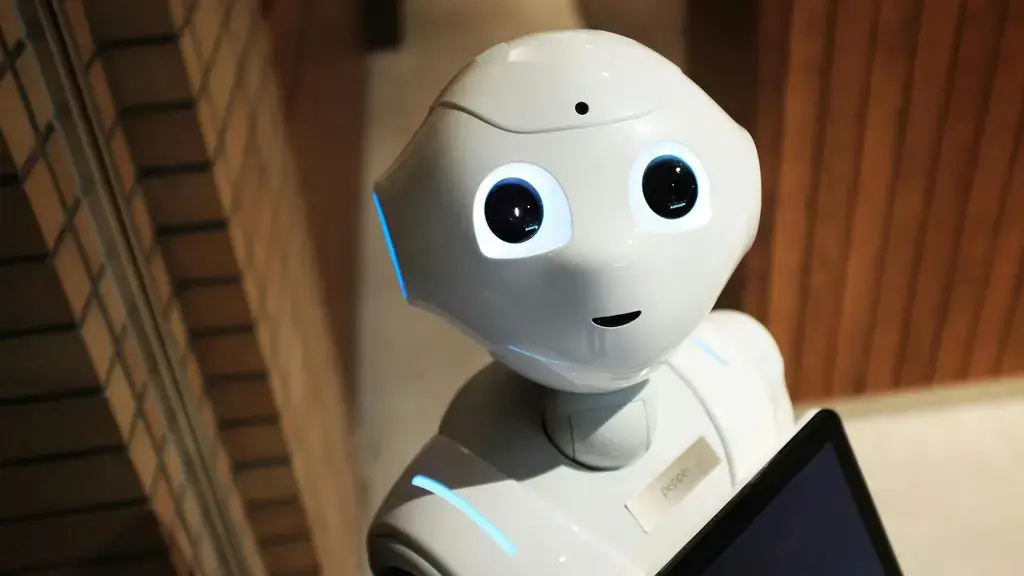
In recent years, China has become a leader in technology advancements, and their influence is now extending to the field of robotics. You might be surprised to know that China currently exports around 90% of the world’s humanoid robots. But what does this mean for the rest of us, and how did China achieve such a significant milestone? Let’s explore!
China’s Emphasis on Robotics
China’s journey in the robotics industry didn’t start overnight. The country’s government and private sectors have heavily invested in technology development, particularly artificial intelligence and robotics, over the past few decades. By prioritizing education in science, engineering, and technology, China has nurtured a new generation of innovators and engineers, ready to push the boundaries of what’s possible.
The Rise of Humanoid Robots
Humanoid robots, resembling the human form, are designed for various tasks, from manufacturing to hospitality. Their human-like abilities, such as walking, talking, and lifting, make them incredibly useful in diverse environments. In China, advancements in design and functionality have helped these robots become more sophisticated and capable than ever before.
These robots are often equipped with advanced sensors and AI, allowing them to interact with their surroundings and perform complex tasks. This versatility makes them appealing not only to industries looking to automate tasks but also to consumers who might be interested in having a robot assistant at home.
Global Impact of China’s Exports
China’s dominance in the humanoid robot market has a profound impact on the global stage. The availability of affordable and high-tech robots from China makes it easier for countries around the world to integrate robotics into their industries. This, in turn, can lead to improved efficiency and productivity.
The wide range of uses includes automation in factories, assistance in medical and caregiving facilities, and even entertainment and education. For countries with aging populations, these robots can significantly aid in senior care, ensuring elderly people receive the help they need where human resources may be scarce.
Challenges and Opportunities
While the expansion of humanoid robot exports brings many benefits, it also presents challenges. There are concerns about job displacement as robots take over tasks traditionally performed by humans. However, experts often point out that robots will likely create new kinds of jobs that require human oversight and innovation.
Moreover, the ethical use of robots needs careful consideration. Ensuring that robots respect privacy and follow ethical guidelines will be crucial as they become more common in everyday life.
Looking ahead, China’s role in the robotics industry is likely to grow even further. As technology continues to advance, the capabilities and affordability of humanoid robots will increase, making them accessible to an even broader audience worldwide. There is a lot of excitement about what the future holds, and China seems poised to be at the forefront of these developments.
In conclusion, China’s current position as the major exporter of humanoid robots shapes the global landscape of automation and artificial intelligence. While there are challenges ahead, the potential benefits of these technologies are immense, paving the way for improved lifestyles and efficiency across various sectors.