





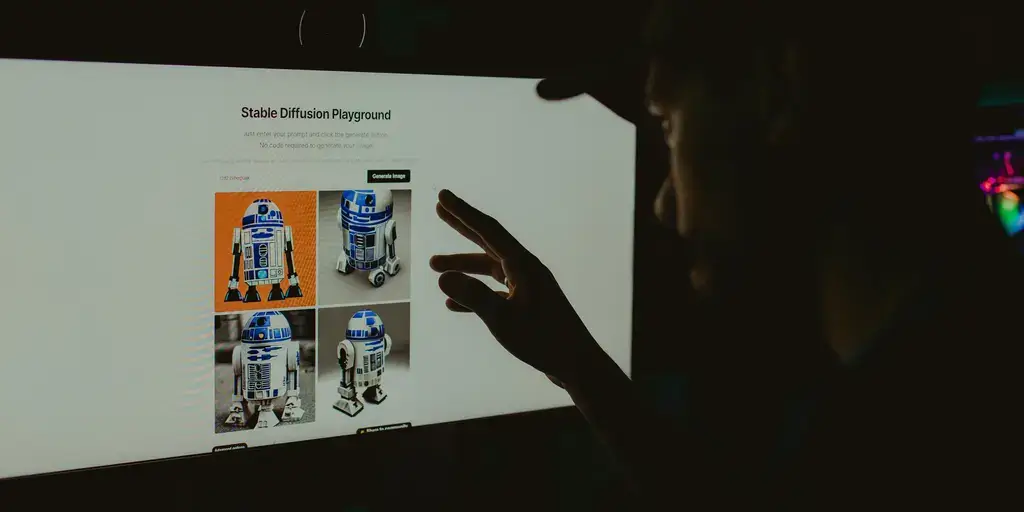
Exploring AI Image Generators
In recent years, technology has made remarkable advances, and one of the notable innovations is the advent of AI image generators. These tools are designed to create pictures using artificial intelligence. Whether you’re an artist or just someone curious about technology, AI image generators can be a fun and useful tool.
What Exactly Are AI Image Generators?
AI image generators are applications or platforms that use artificial intelligence to create pictures. They utilize algorithms and deep learning techniques to interpret text prompts or existing image inputs, generating new images based on the provided data. This technology mimics the creative process by analyzing billions of images to learn about patterns, styles, and artistic techniques.
Popular AI Image Generators Available Today
There are several AI image generator tools available today, each with its unique features and capabilities. Here are a few that stand out:
- DALL-E 2: Created by OpenAI, this tool can create highly detailed and imaginative images from text descriptions. It’s known for its versatility and ability to generate unique and complex visual scenes based on short textual input.
- Midjourney: This platform is gaining popularity due to its ability to convert detailed text prompts into artistic and stylized images, often with a dreamlike quality.
- DeepArt: Unlike many others, DeepArt uses deep learning to transform photos into artwork emulating the style of famous paintings.
- Artbreeder: A collaborative AI tool that allows users to create and blend images together. This tool is particularly known for its ability to generate lifelike portraits and intriguing fusions of images.
- NightCafe Creator: An easy-to-use tool that lets users select a style for image creation and apply it to their photos or create artwork from scratch.
How AI Image Generators Work
Most AI image generators rely on sophisticated algorithms, primarily involving neural networks. A popular method used is called Generative Adversarial Networks (GANs), where two neural networks (a generator and a discriminator) work together in a ‘game’ to create images that are increasingly indistinguishable from real ones. One network generates the images, while the other critiques them, guiding improvements.
Applications and Uses
AI image generators have a wide array of applications. They can be used in advertising to create engaging and personalized visuals, in video games to generate unique textures or characters, and in the art world for creating new types of digital artwork. Educators even use them in teaching computer vision and machine learning concepts. The possibilities are expanding as the technology continues to evolve.
Benefits of AI Image Generators
These tools offer several benefits. They can significantly speed up the creative process, provide inspiration by generating unexpected results, and allow those without artistic skills to create stunning visuals. For professional artists, AI image generators are a valuable addition to the creative toolkit, serving as a digital assistant in brainstorming and visualization processes.
Considerations and Limitations
Despite their advantages, AI image generators are not perfect. They may lack the subtlety and emotional depth of human-created art. Also, ethical considerations around copyright and the potential misuse of AI-generated images are areas of ongoing discussion. Users also need access to reliable internet and often high-performance devices, as the computational power needed to generate complex imagery can be considerable.
Overall, AI image generators are a fascinating development in digital art and technology, offering a new outlet for creativity and innovation across various fields. While there are limitations, the potential of AI in art generation is just beginning to be realized, paving the way for new forms of expression.