









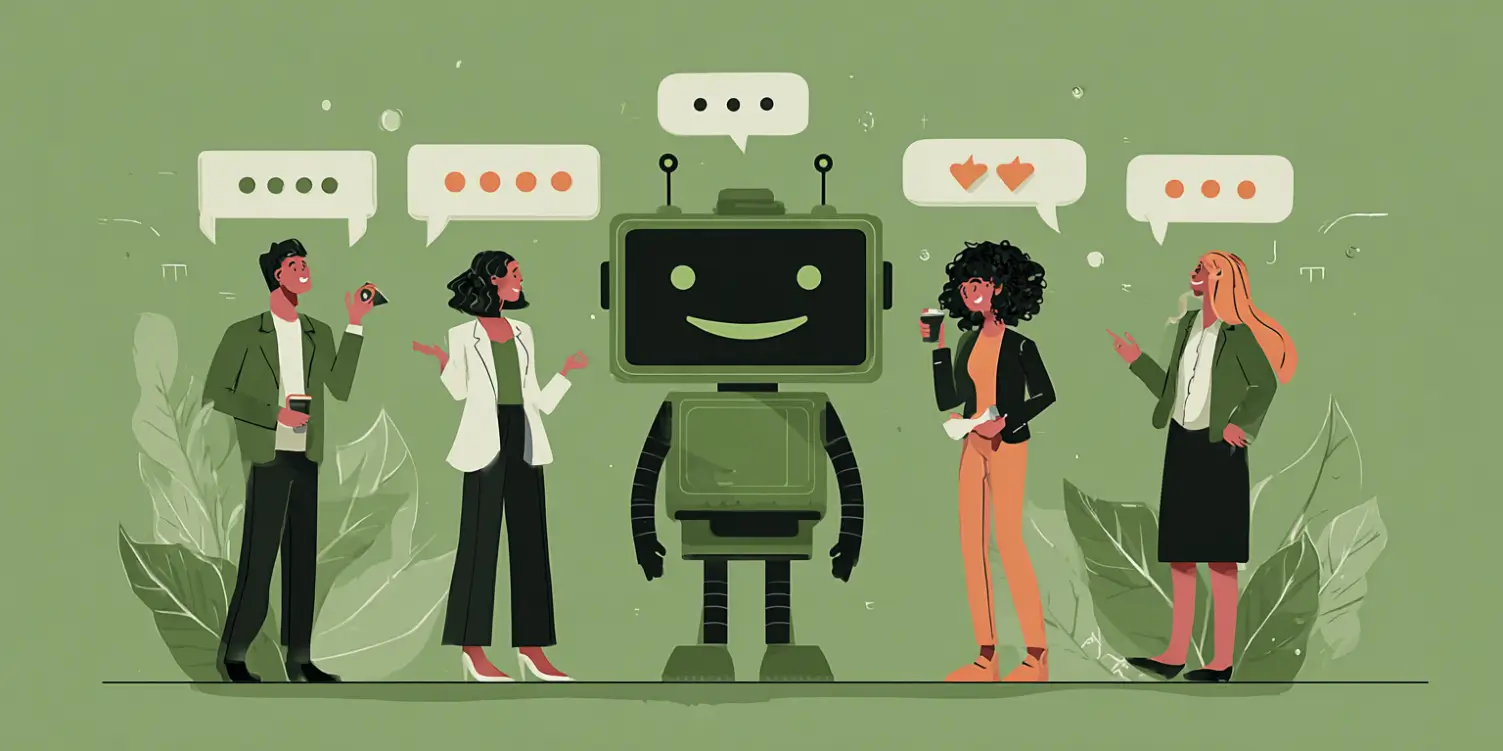
In recent years, advancements in artificial intelligence have led to the development of increasingly sophisticated AI systems. A new innovation by Anthropic has caught the attention of many, as it aims to make AI interactions feel more ‘human.’ This development is known as the Persona Selection Model, and it could change the way we communicate with machines.
Understanding Persona Selection
The concept behind the Persona Selection Model is relatively simple yet groundbreaking. Traditional AI models typically follow a scripted method of interaction, which can often seem robotic or unnatural. However, the Persona Selection Model allows AI to adopt different “personas” during interactions. These personas are essentially pre-defined personality profiles that the AI can switch between, depending on the context of the interaction.
By selecting a persona that matches the user’s needs or the context of the conversation, the AI can respond in a way that feels more natural and relatable. This approach can make AI-driven chats feel more like talking to a human, as the AI can display emotions, humor, and empathy in a more convincing manner.
How It Works
The ingenuity of this model lies in its ability to analyze user input and choose the most appropriate persona on the fly. This decision is based on various factors such as the tone of the conversation, the user’s previous interactions, and even the time of day. By doing this, the AI can tailor its responses to be more contextual and relevant.
For instance, if you are using a customer service chatbot late at night to resolve an issue, the AI might select a calm and empathetic persona to ensure the interaction is as smooth and supportive as possible. On the other hand, if you are looking for technical support during the day, a more straightforward and informative persona might be chosen.
The Benefits of Persona Selection
One of the primary advantages of the Persona Selection Model is user satisfaction. Interacting with an AI that feels more human can lead to higher customer satisfaction and enhance user experience. People are generally more at ease communicating with systems that can exhibit understanding and empathy.
Moreover, businesses can benefit from this technology as it can lead to improved customer service outcomes, reduced workload for human operators, and faster resolution times. AI can handle a broader range of inquiries on its own, tackling everything from friendly chats to serious problem-solving, which allows human staff to focus on more complex tasks.
Challenges and Considerations
While the Persona Selection Model offers exciting possibilities, it does come with its challenges. Ensuring that the AIs’ personas are consistent and do not fluctuate erratically is crucial for maintaining trust. Anthropic has addressed these concerns by incorporating robust feedback mechanisms and employing continuous learning to refine the personas further.
Additionally, ethical considerations must be taken into account to prevent misuse. It’s important to design these personas to adhere to guidelines that prevent bias or misrepresentation. Transparency in AI interactions is also essential, as users should be aware when they are interacting with a machine versus a human.
The Persona Selection Model represents a step forward in the evolution of AI communications. As AI becomes increasingly integrated into our daily lives, models like these can make interactions more enjoyable and efficient. Imagine a future where speaking to a machine feels as natural as talking to a friend; this is the potential the Persona Selection Model holds.
In conclusion, Anthropic’s innovative approach could redefine human-AI interactions, leading to a more seamless and human-like experience. By focusing on personas, AI systems may soon become not just tools but companions in everyday tasks and interactions.