









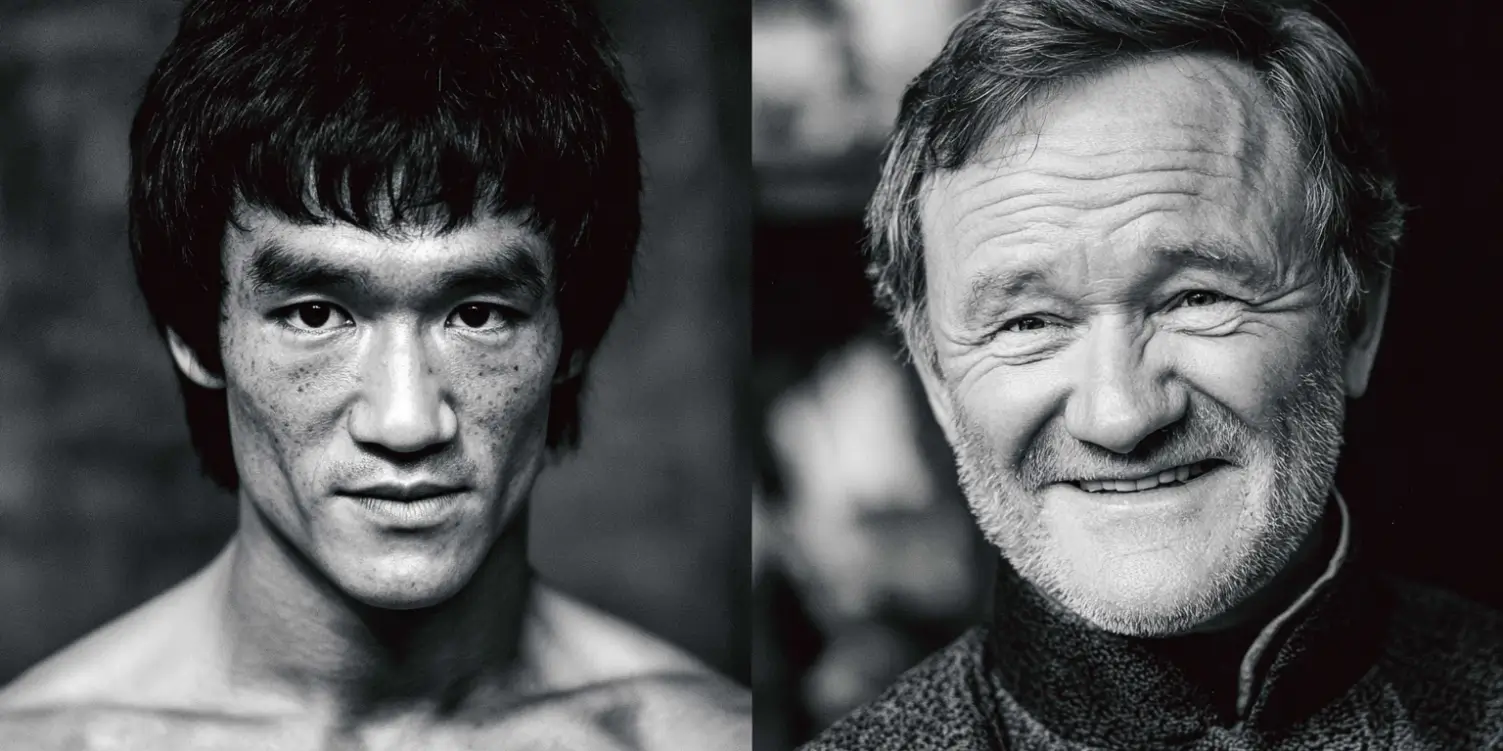
In recent years, technology has taken significant strides, and one of the most talked-about advancements is artificial intelligence (AI). One of the intriguing applications of AI is in the realm of recreating famous personalities, and bringing them to screens once again. Not all instances of these digital resurrections have been done with the proper permissions, sparking numerous ethical and legal debates.
How Does AI Resurrect Famous Personalities?
AI technologies, especially those focused on deep learning and machine learning, are able to analyze vast amounts of data. This data helps the AI to generate realistic digital avatars and performances that mimic their voices, facial expressions, and mannerisms.
Potential Benefits of AI Resurrections
There are certain appealing aspects to this use of technology. It allows for the preservation and celebration of iconic figures, providing fans with a chance to experience something new from artists they love. Additionally, it can offer educational and entertainment value, such as in biographical films or documentaries, where realistic depictions add depth and engagement.
Ethical Concerns and Community Reactions
The primary concern with these AI-generated appearances arises from the lack of consent. Since Tupac, Bruce Lee, and Robin Williams are no longer with us, their consent cannot be obtained for such projects. This inevitably leads to the question of who has the rights to an individual’s likeness and whether it is acceptable to use AI to bring someone back virtually, especially without explicit permission.
Family members, fans, and legal experts often have diverging views on this matter. Some see it as a celebration of the person’s life and art. Others view it as an invasion of privacy or an insensitive use of technology. Legal frameworks around the world are only beginning to catch up with these fast-moving technological capabilities, making the rights surrounding digital avatars a complex and developing legal area.