









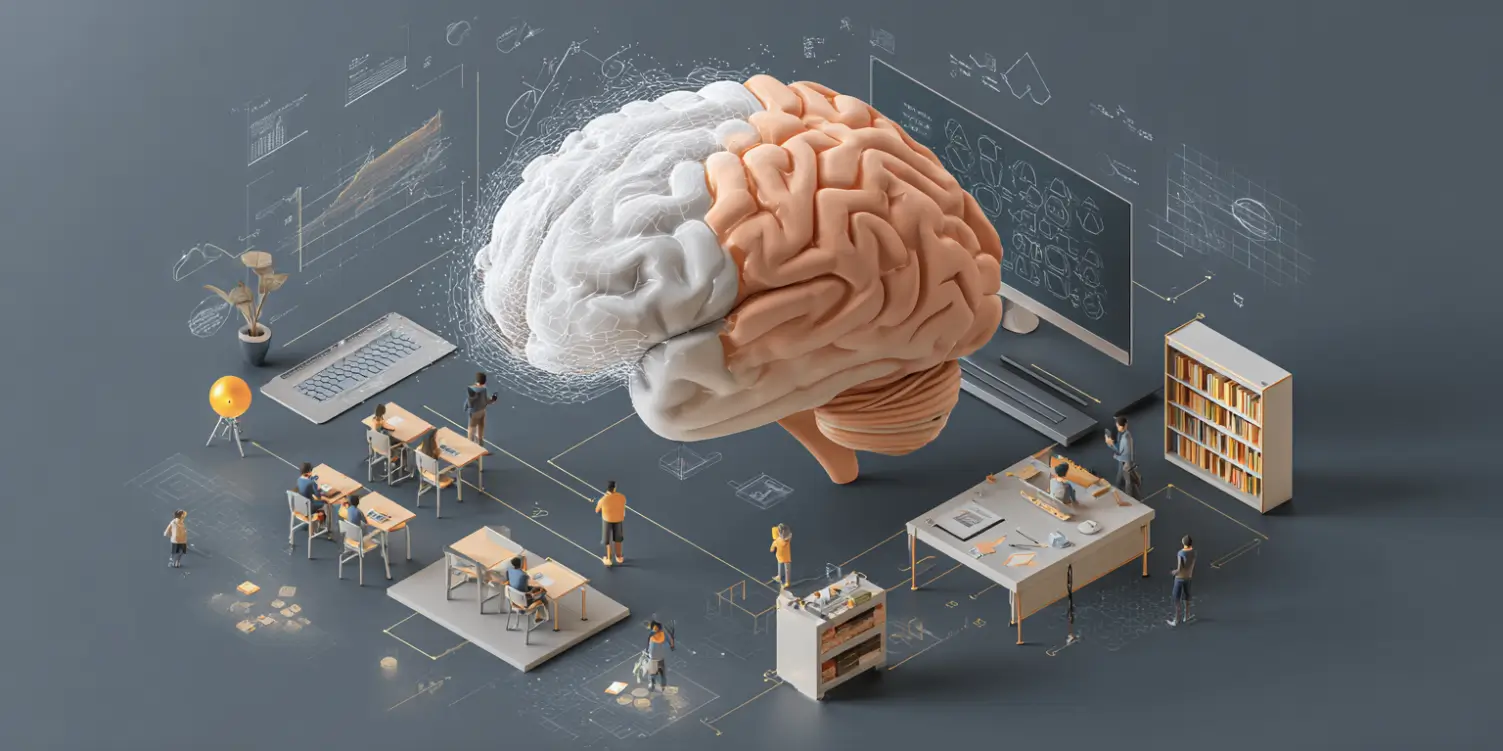
As technology continues to evolve, Artificial Intelligence (AI) is making its way into the classroom, offering opportunities for personalized learning but also raising concerns about potential educational inequalities. In this article, we explore both sides of this technological coin and consider what AI means for the future of education.
Personalized Learning: The Promising Side of AI
One of the most significant benefits of AI in education is its ability to offer personalized learning experiences. Traditionally, classrooms have employed a one-size-fits-all teaching approach, where instructors teach at a pace that may not suit every student. AI, however, can change this by tailoring educational content to meet individual students’ needs, learning speeds, and interests.
For instance, AI systems can analyze a student’s performance in real-time and provide immediate feedback and additional resources if needed. Adaptive learning platforms can recommend tasks that are neither too hard nor too easy, keeping students engaged and motivated to learn. This personalized approach can not only enhance learning but also boost students’ confidence by allowing them to progress at their own pace.
Concerns About Inequality
Despite these advantages, there is a concern that AI could actually deepen educational inequality. Access to cutting-edge technology often requires significant financial investment, which may not be feasible for all schools, especially those in underfunded or rural areas. As a result, students in wealthier areas could have access to more advanced educational tools compared to their less affluent peers.
Moreover, there is a risk of bias in AI systems. If an AI system’s algorithms are trained on data that lacks diversity, it might not cater effectively to students from varied backgrounds, potentially leading to misleading assessments or recommendations. Ensuring fairness in AI requires careful consideration of the data sets used and continuous monitoring to avoid reinforcing existing biases.
The Balancing Act: Integration and Awareness
Successfully integrating AI into education involves striking a balance between leveraging its benefits and addressing its drawbacks. Schools and policymakers must work together to ensure that all students have equal access to technology and that AI tools are used responsibly to avoid bias.
Training educators to effectively use AI-driven tools is crucial. Teachers should play a pivotal role in overseeing AI applications and use them to complement traditional teaching methods, rather than replacing them. Education experts suggest that AI should be seen as a tool to assist, not replace, human teachers.
Moreover, open dialogues about AI and its implications in the classroom are vital. Involving parents, educators, and students in discussions will promote a collaborative approach to technology adoption, ensuring that it serves the best interests of all learners.
In summary, while AI presents exciting opportunities for personalized education, careful implementation is necessary to prevent increasing inequality. By being aware of the potential pitfalls and addressing them head-on, AI can indeed transform the educational landscape for the better.