









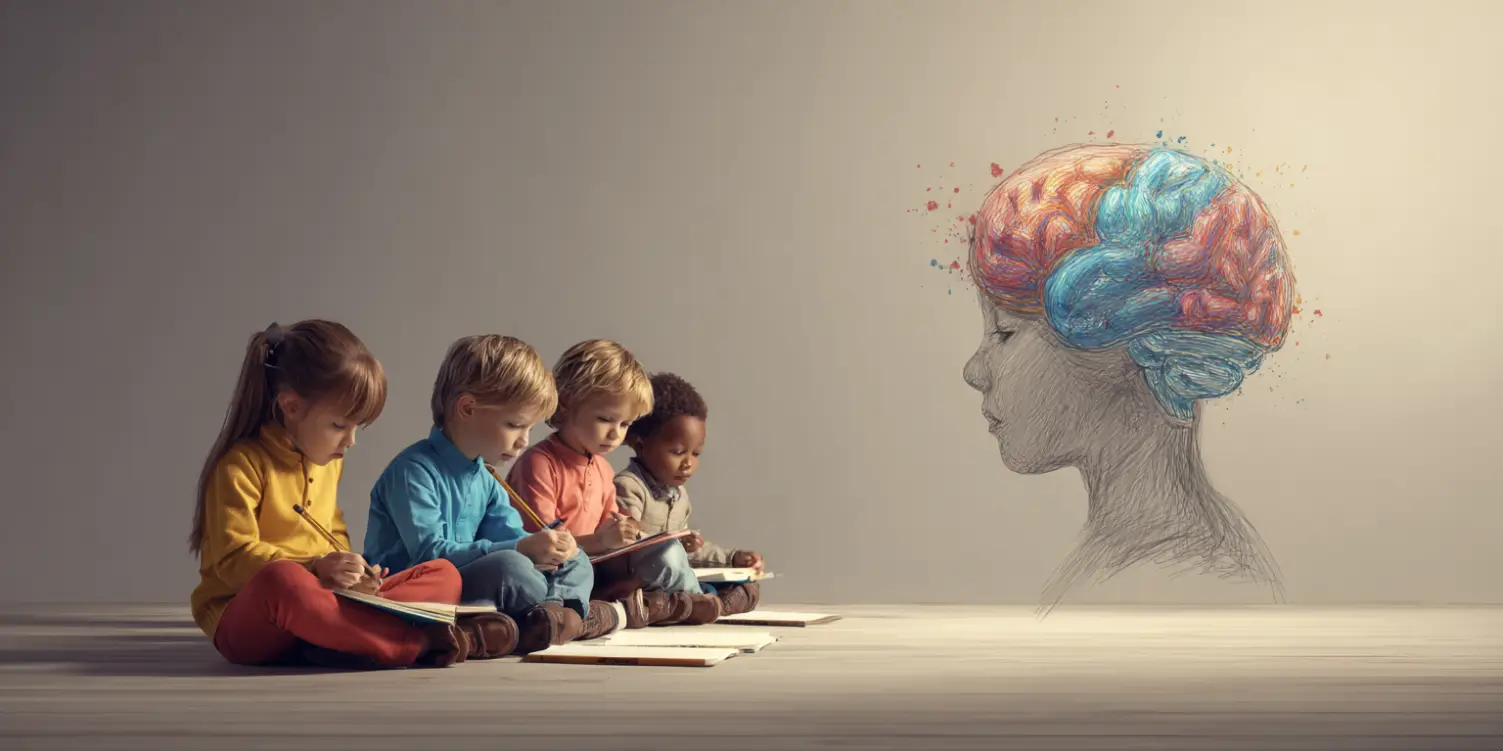
In recent years, the rapid advancements in artificial intelligence (AI) have led to significant changes in various industries, and education is no exception. By 2026, personalized learning tools driven by AI are becoming an integral part of classrooms worldwide, transforming the way students learn and teachers teach. These tools offer a more customized educational experience, tailoring lessons to meet the unique needs of each student.
The Role of AI in Education
AI technology is playing a crucial role in reshaping educational environments. With AI, educators can now analyze vast amounts of data to understand each student’s learning progress and challenges. This enables the development of personalized learning plans that cater to individual strengths and weaknesses. By using AI, teachers can provide the right support to each student, ensuring no one falls behind.
Personalized Learning Plans
One of the major benefits of AI in education is the creation of personalized learning plans. These plans utilize AI algorithms to assess a student’s current knowledge and skill levels. Based on this assessment, the AI system designs a curriculum that suits the student’s learning pace and style. This allows students to learn at their own speed, which can lead to better understanding and retention of information.
Assisting Teachers in the Classroom
AI doesn’t replace teachers; instead, it enhances their ability to teach more effectively. AI tools can take over repetitive tasks like grading quizzes and homework, which frees up teachers to spend more time interacting with students. Additionally, AI can provide teachers with insights into classroom trends and student difficulties, helping them to adjust their teaching methods accordingly.
Engaging Students Through Interactive Tools
AI-powered educational tools make learning more interactive and engaging for students. For example, virtual tutors can simulate one-on-one tutoring sessions, providing instant feedback and explanations. AI-driven educational games make learning fun, reinforcing concepts through play. This kind of engagement helps students stay motivated and interested in their studies.
Addressing Challenges and Concerns
While AI offers many benefits in education, there are also challenges and concerns that need to be addressed. Privacy and data security are major issues, as personalized learning tools require access to students’ personal data. Schools must ensure that this data is protected and used responsibly. Additionally, there is concern over the digital divide, where students without access to technology might be left behind. Efforts must be made to provide equal access to AI tools for all students.
Overall, the integration of AI in education by 2026 marks a significant shift towards more personalized and effective learning experiences. By harnessing the power of AI, classrooms are becoming more adaptive and inclusive, offering every student the opportunity to succeed in their educational journey.