









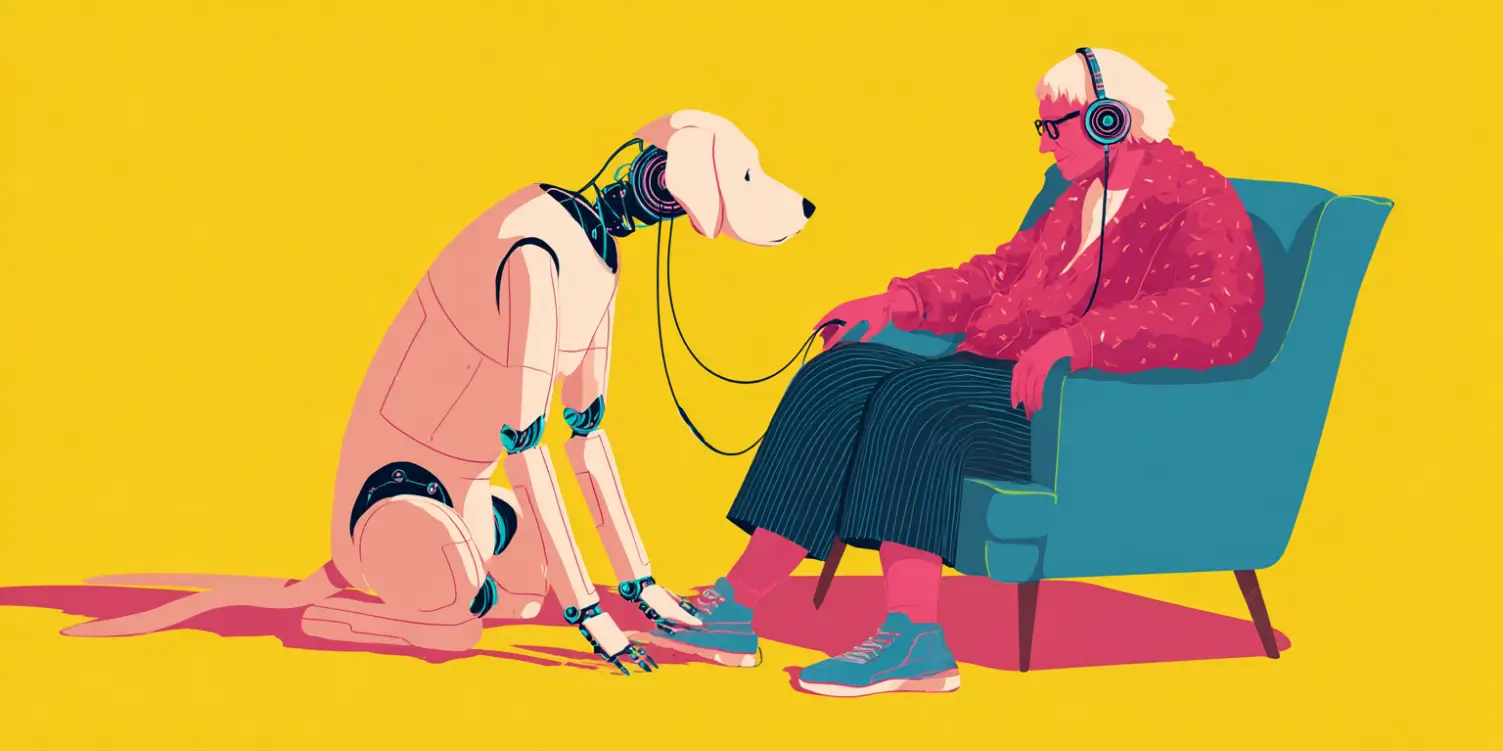
In recent years, we have witnessed a rise in the development of AI companions, digital friends that are designed to interact with people in a manner similar to that of a human being. These AI companions can be found in various forms, from simple chatbots to sophisticated virtual characters capable of holding engaging conversations. As AI technology continues to advance, an important question arises: could these digital friends eventually replace our real human relationships, and is that necessarily a bad thing?
What Are AI Companions?
AI companions are intelligent software programs that can simulate conversation and interaction with humans. They range from voice-activated assistants like Amazon’s Alexa and Apple’s Siri to more complex virtual characters found in mobile apps. These companions can engage in conversations, provide reminders, and even offer companionship to those who may feel lonely or isolated.
Developers are constantly improving AI companions to make them more relatable and human-like. They can remember previous interactions, learn from them, and tailor future conversations to the user’s preferences and habits. This personal touch makes the interaction feel more authentic and enjoyable.
The Growing Popularity of AI Companions
One reason AI companions are becoming more popular is due to the isolation experienced by many during events like the COVID-19 pandemic, which limited physical interactions. For some, AI companions became a means of having someone to talk to when human contact was scarce.
Additionally, as our lives become busier, it can be challenging to maintain friendships, and people may turn to AI companions as an alternative. These digital friends are always available, don’t judge, and can be accessed with just a click or voice command.
The Pros and Cons of AI Companions
There are several benefits to having an AI companion. Firstly, they can provide companionship to those who are isolated or shy. They are also useful for individuals who are unable to maintain a busy social life due to work or personal responsibilities. Furthermore, they can be programmed to support mental well-being by providing affirmative and positive interactions.
However, there are also concerns associated with relying too heavily on AI companions. One major issue is that these digital friends lack real emotions and empathy, which are fundamental aspects of human relationships. There is also a risk that people might become too comfortable with AI companions and start neglecting or losing the skills needed to build and maintain real relationships. This could lead to increased loneliness and isolation in the long run.
Will AI Companions Replace Human Relationships?
It is unlikely that AI companions will completely replace human relationships. While they can serve as additional support or provide temporary companionship, they cannot replicate the depth and dynamic nature of human interactions. The emotions, empathy, and unpredictable nature of human relationships are beyond what AI can provide. However, they could become a valuable supplementary source of companionship for those who need it.
It is essential to maintain a balance between enjoying the benefits of AI companions and nurturing real human relationships. One way to ensure this balance is to use AI companions as a tool rather than a substitute for human interaction. Many people may find it helpful to view AI companions as friendly assistants rather than complete replacements for human companionship.
Is It Okay for AI to Be a Part of Our Social Lives?
Ultimately, whether AI companions are a part of our social lives comes down to personal choice and how we choose to use technology. They can be a great addition for those who understand their limitations and use them to complement—not replace—human interactions. Society is becoming more technology-driven, and embracing these changes responsibly can improve our lives in exciting new ways.
In conclusion, AI companions have their place in our world, offering endless possibilities for various applications. However, they will likely complement rather than replace human relationships, as long as individuals continue to prioritize and cherish the connections they share with others.