






In recent years, the rapid development of artificial intelligence (AI) has sparked interesting debates about creativity and originality. How can machines, which lack human experiences and emotions, create art that feels authentic? This topic has captured the attention of researchers, artists, and curious people around the world, raising important questions about what it means to be truly creative.
What is Artistic Authenticity?
Artistic authenticity refers to artworks that genuinely express someone’s emotions, ideas, or cultural identity. Traditionally, we view art as a human endeavor, influenced by personal experiences and emotions. But as AI continues to evolve, the line between machine-generated and human-created art is becoming increasingly blurred.
The Role of AI in Art Creation
AI is already making significant contributions to the art world. For instance, algorithms can analyze vast amounts of data and recognize patterns, enabling them to produce images, music, and even poems. AI-generated artworks have been showcased in galleries, sold at auctions, and have won awards.
However, many argue that despite AI’s ability to generate impressive pieces, there is something inherently missing: a personal touch. Machines are not capable of feelings or consciousness, making their art purely a product of programming rather than genuine self-expression.
What Studies Reveal
Several studies have explored whether people can distinguish between AI-generated and human-created art. The findings are fascinating. In some cases, participants could not tell the difference, while in others, they preferred AI-generated art for its unique style and precision. This suggests that our appreciation of art might not solely depend on the creator’s identity but also on the aesthetic experience it provides.
The Fusion of AI and Human Creativity
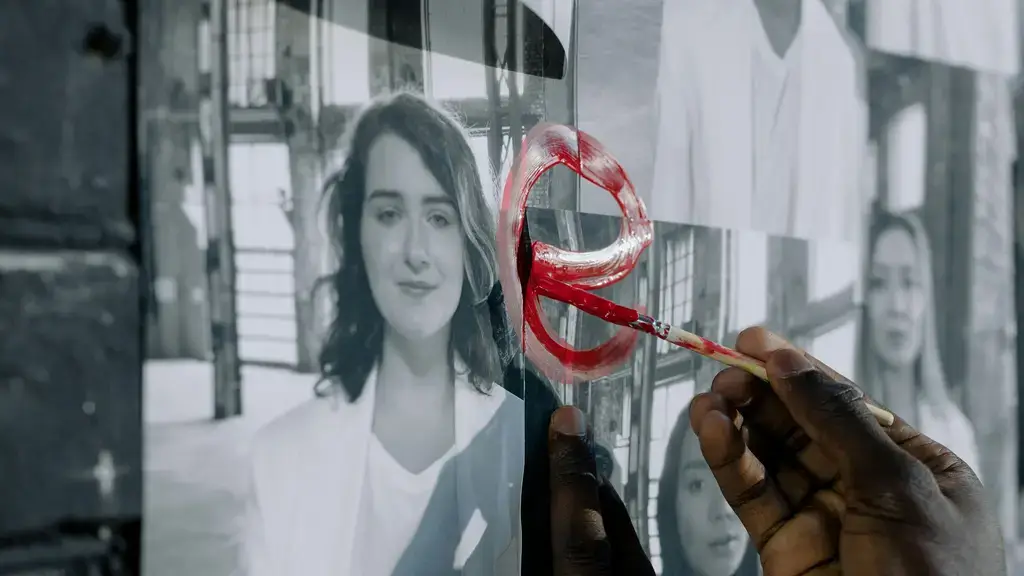
Rather than viewing AI as a threat to human creativity, many artists are embracing it as a tool to enhance their work. For example, artists can use AI to explore new styles and techniques they might not have considered otherwise. This collaboration allows artists to push boundaries and break new ground in their creative processes.
Moreover, AI can help democratize art by making creative tools accessible to a broader audience. People who may not have formal training in art can leverage AI technologies to express themselves and create beautiful works of art.
Looking Ahead
As AI continues to integrate into the creative world, ongoing discussions about authenticity, originality, and ownership will persist. While AI can generate works that captivate audiences, the role of the human artist remains essential. It is the human experience, emotion, and intent that breathe life into art, providing it with depth and meaning.
The future holds exciting possibilities as AI and human creativity intertwine, encouraging us to redefine our understanding of art while appreciating the innovative fusion of technology and human expression.