


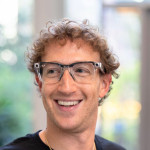


Recently, there has been an intriguing development involving Spain’s Prime Minister, Pedro Sánchez, and the well-known billionaire entrepreneur, Elon Musk. This development revolves around discussions on social media restrictions in Spain, a topic that has captured the attention of many people, both in Spain and beyond.
Pedro Sánchez’s Perspective
Pedro Sánchez, the Spanish Prime Minister, has been advocating for certain social media restrictions to ensure user safety and to combat the spread of misinformation. According to Sánchez, social media platforms have a significant influence on society, and it is crucial to implement measures that ensure these platforms are not misused. His approach emphasizes the protection of citizens, especially the younger population, from harmful content. By supporting a more regulated environment, Sánchez believes it will create a healthier digital society.
Elon Musk’s Viewpoint
Elon Musk, the tech mogul and CEO of companies such as Tesla and SpaceX, has been vocal about his stance on freedom of speech and minimal restrictions on social media platforms. Musk argues that imposing heavy restrictions could stifle creativity and innovation. He believes that open platforms where ideas can be freely exchanged are vital for progress and should not be hindered by excessive regulations. Musk’s perspective emphasizes individual responsibility in the consumption and sharing of information rather than imposing systemic controls.
The Debate: Balancing Safety and Freedom
The debate between Sánchez and Musk highlights a common dilemma faced by many countries: how to balance user safety with freedom of expression. On one hand, the Spanish government, under Sánchez’s leadership, aims to safeguard its citizens from misleading and harmful content online. This involves supporting initiatives that might include content moderation and regulation of digital platforms to protect public interest.
On the other hand, Musk, known for his visionary thinking, contends that these measures might hinder the core principles of free speech. He fears that too much regulation could lead to censorship, where “big brother” entities might control what information is accessible, potentially leading to a slippery slope of more censorship.
The Impact on Social Media Users
For the average social media user, this clash between Sánchez and Musk raises important questions about the future of platforms they use daily. If stringent restrictions are implemented, users might experience more controls over what they can post or share. While this might reduce the spread of what the government deems as false information, it could also limit open discussions and exchange of ideas.
Conversely, leaving the platforms largely unregulated, as Musk suggests, could preserve the current freedom but might also mean that users need to be more discerning about the credibility of the content they encounter.
This debate is emblematic of a larger global conversation on internet governance. As digital landscapes continue to evolve, finding a balance that protects people without sacrificing the foundational freedoms of expression remains a challenge.